

Grzegorz Baran: from creation to mastery in look development
Hi Grzegorz, thanks for taking the time to speak with us. To start, could you tell us a bit about yourself and how your journey into 3D and digital creation began?
It started in a very simple way. I wanted to create worlds I could dive into and enjoy. I’ve always been an introvert, living in my own head, sketching ideas and stories I wished existed. At first, it was just drawings on paper. Then digital tools arrived, and suddenly those sketches could move, breathe, and feel real. That’s when I knew this was what I wanted to do.
Looking back, my entire career has been about creation. Whether through music, video, digital art, or games, I’ve always loved making things that I could experience myself and share with others. Time being limited, I eventually focused on areas where I felt I could make the biggest impact. A few years ago, that led me naturally toward materials.
Career & Evolution
You’ve been working in the CG industry for over 20 years. What were some of the key stages that shaped you as both an artist and a technician?
I started as a 3D environment artist, back when roles were broader and pipelines less defined. To build the scenes I had in mind, I often needed to create assets from scratch. I’ve always loved working in 3D, but I see asset creation as a means, not an end. That said, I never treated it lightly. Whatever the task, I always aimed to do it as well as possible.
Your portfolio spans game cinematics and high-end production assets. How do you choose the projects you work on, and what challenges do you enjoy most?
I genuinely enjoy what I do, and I’ve always seen my career as an ongoing evolution. I never chased titles or status. My goal was simply to create work I could be proud of and that others could enjoy.
Every project mattered to me, regardless of its scale. I’ve worked on small and mid-sized indie productions, as well as major franchises like The Witcher, Tom Clancy’s The Division, Avatar, and Rainbow Six Siege, including projects that were never released.
I started as a generalist, working on props, environments, lighting, animation, even game design. Over time, I gravitated toward materials. Today, I work as an Expert Materials Artist at Ubisoft. I chose this specialization because materials have a huge influence on how a world feels. This is where subtlety meets immersion, and where I feel my work truly makes a difference.
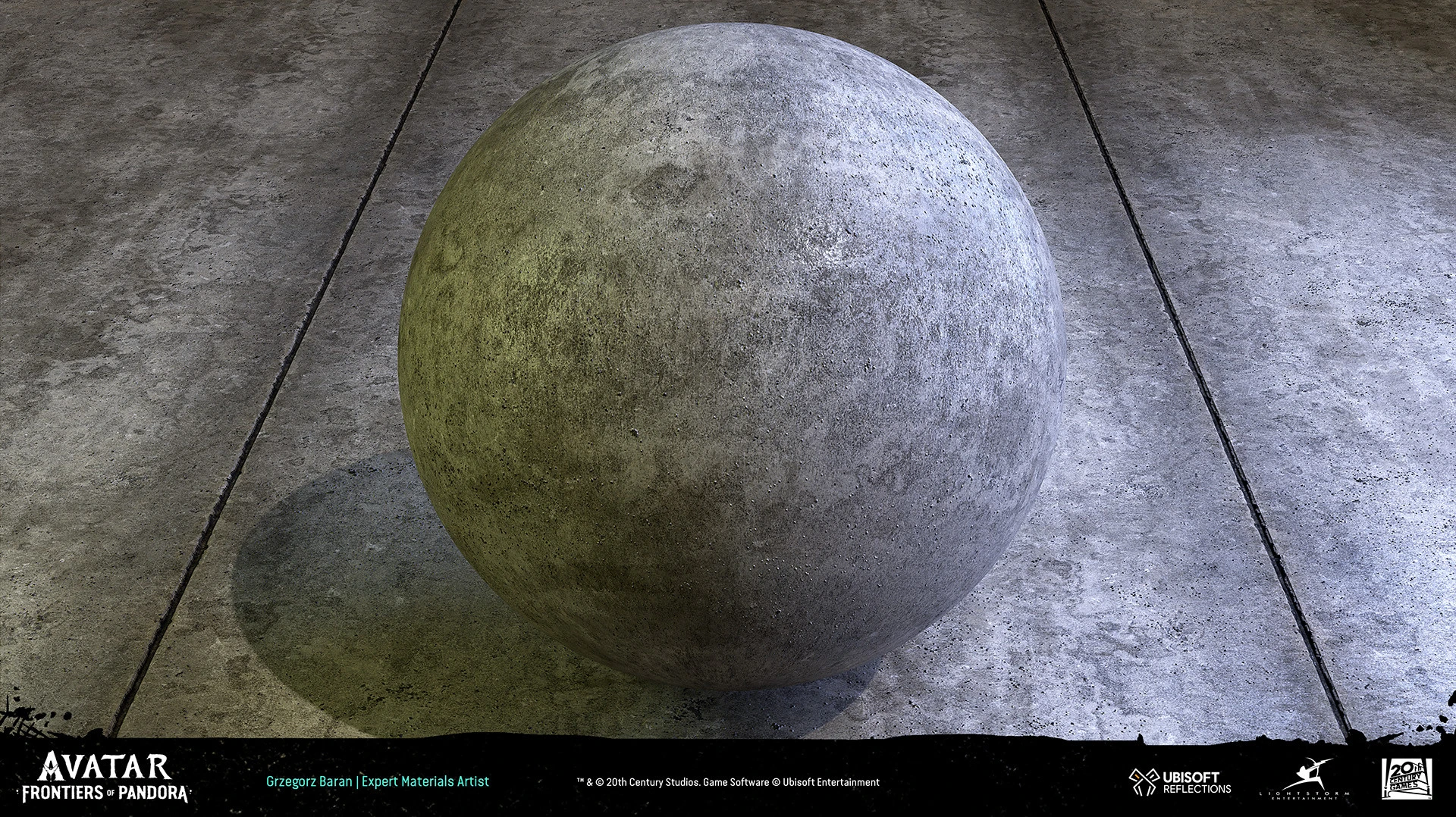
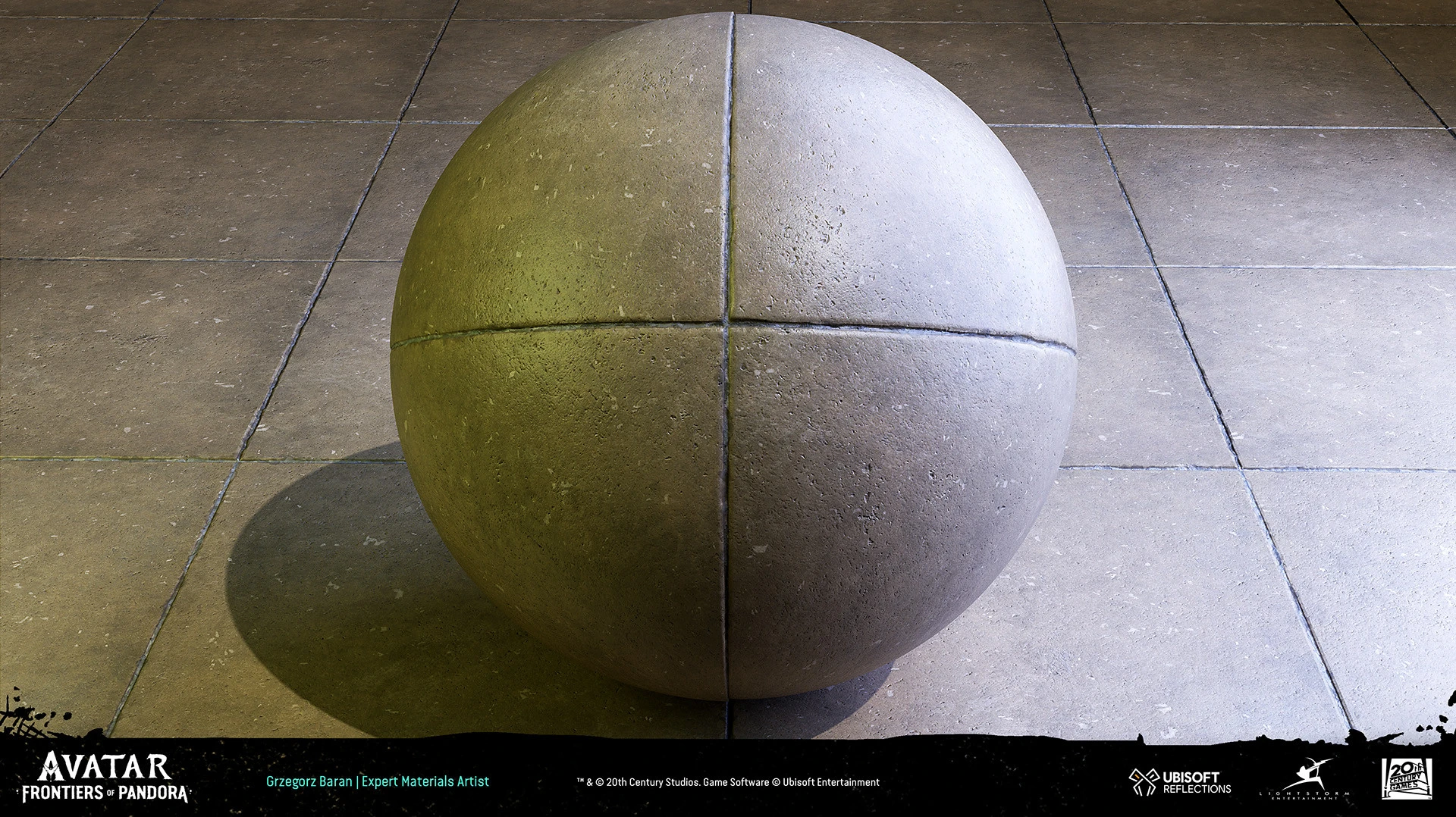
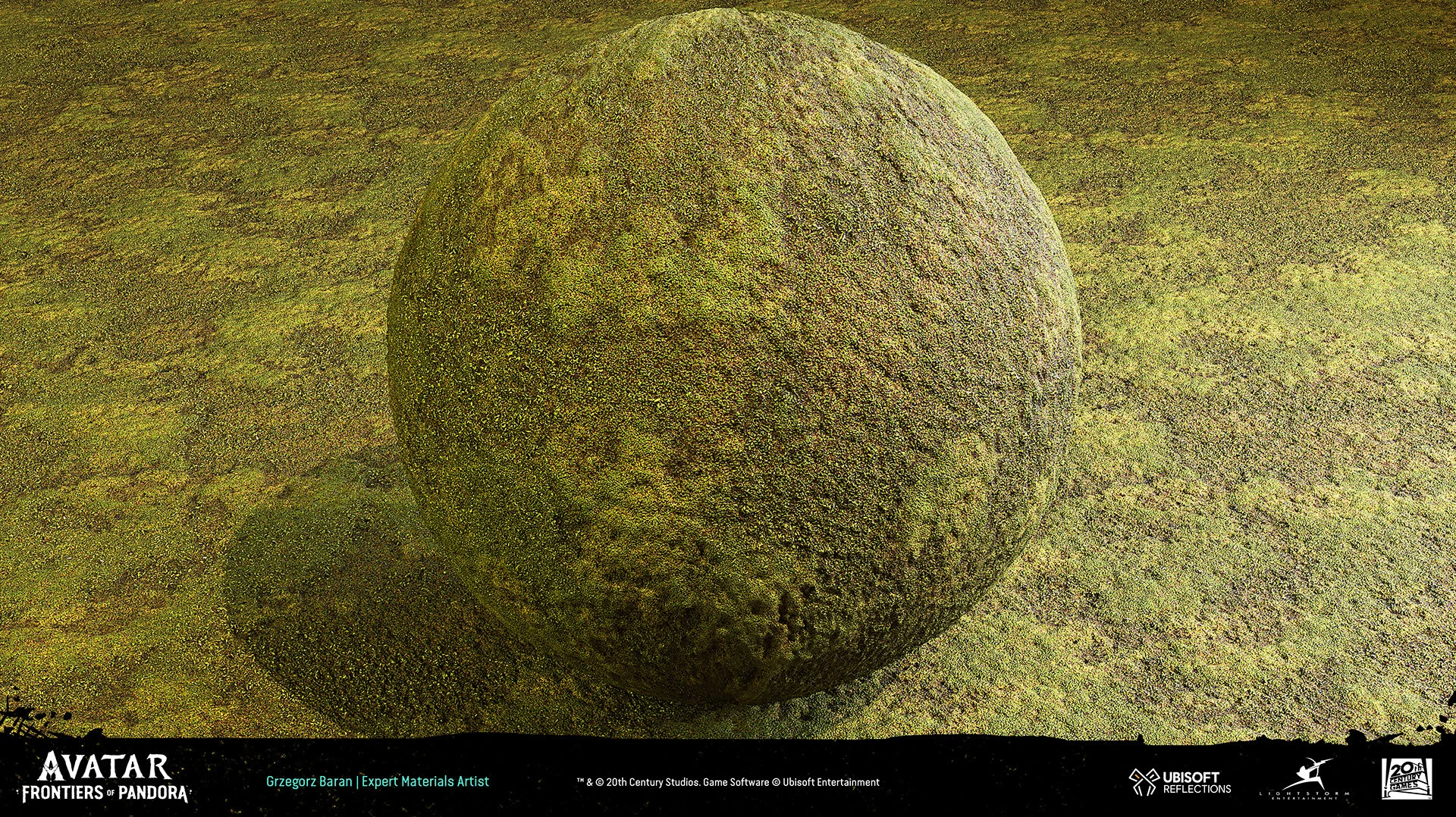
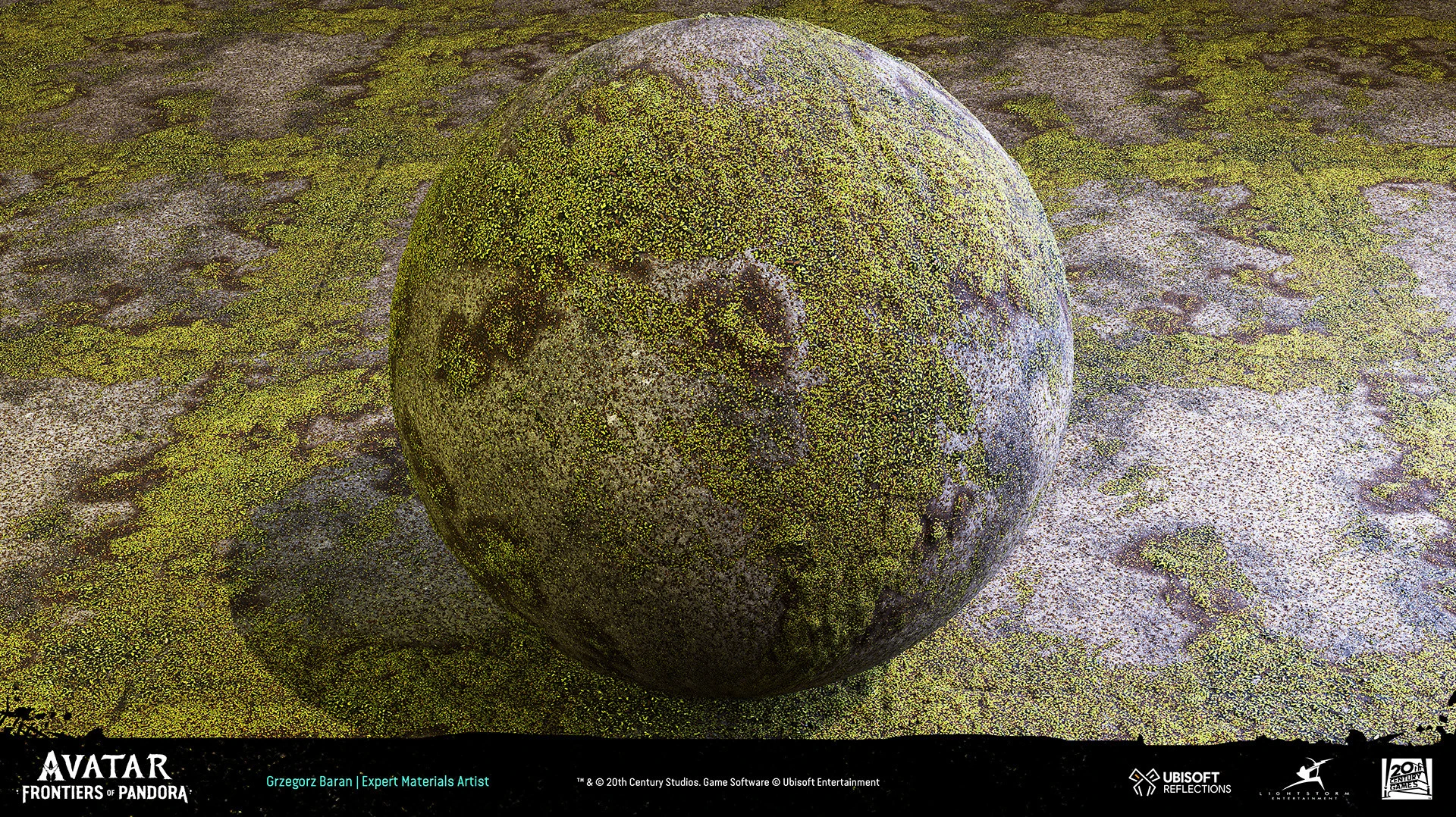
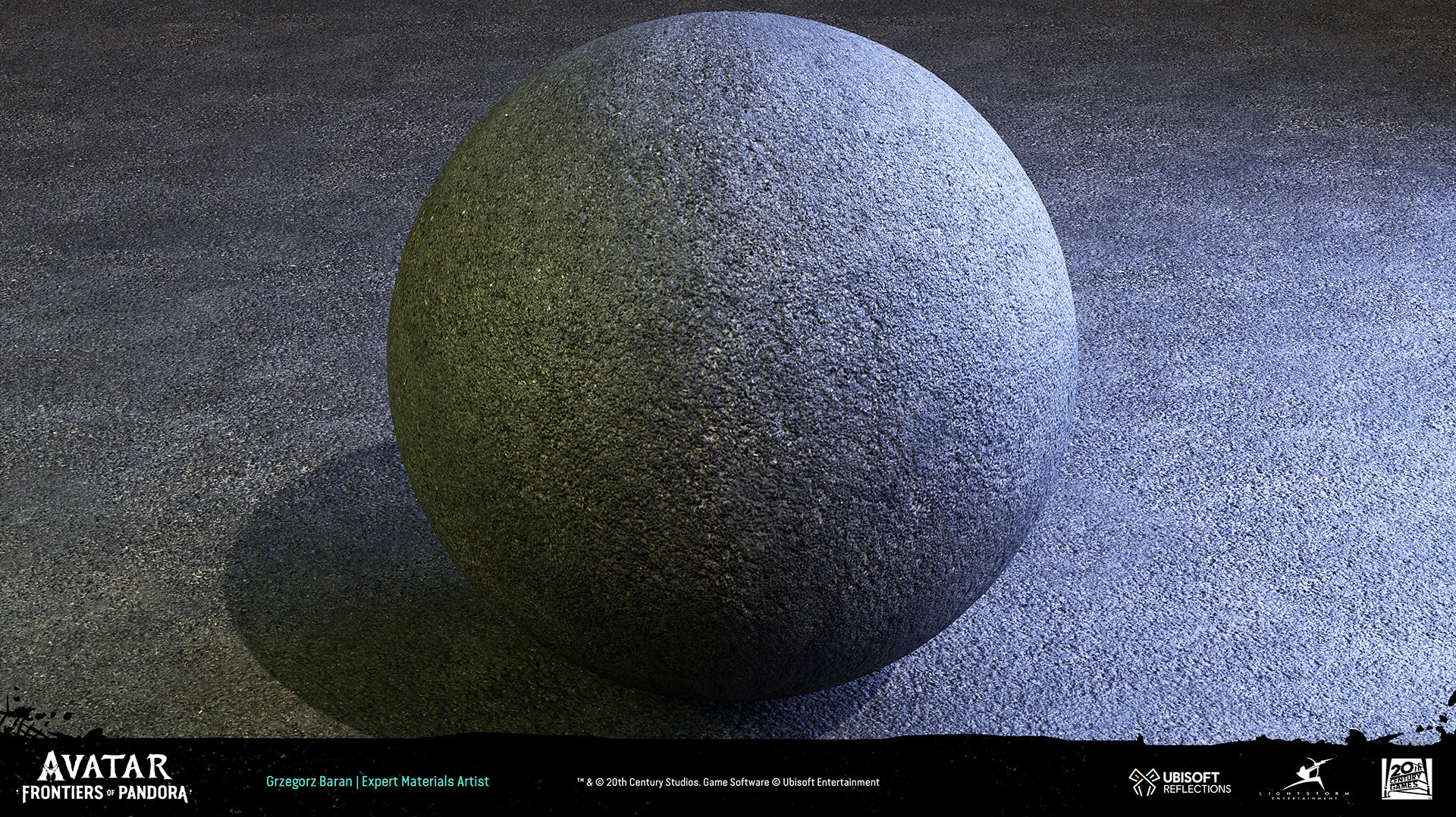
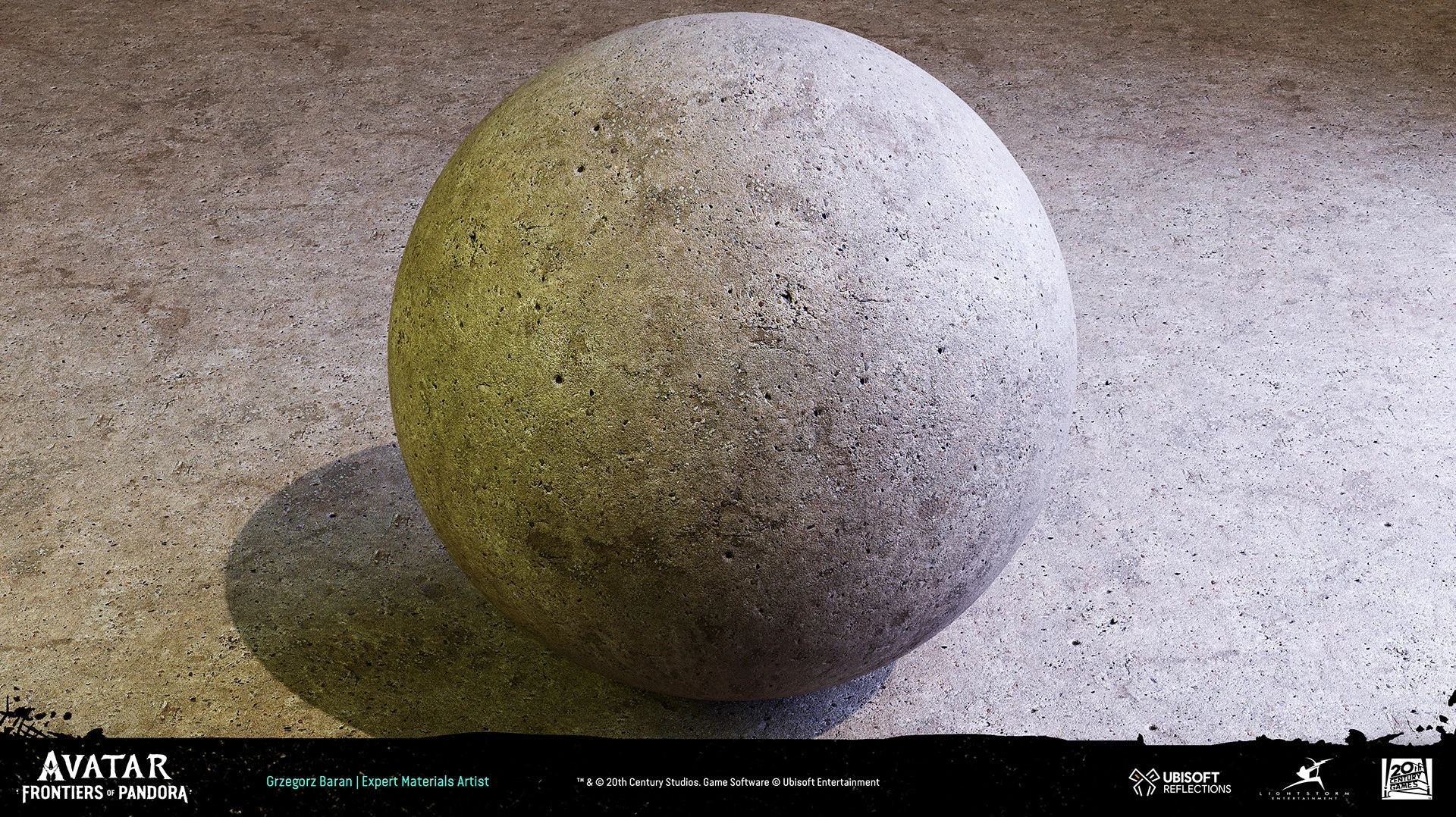
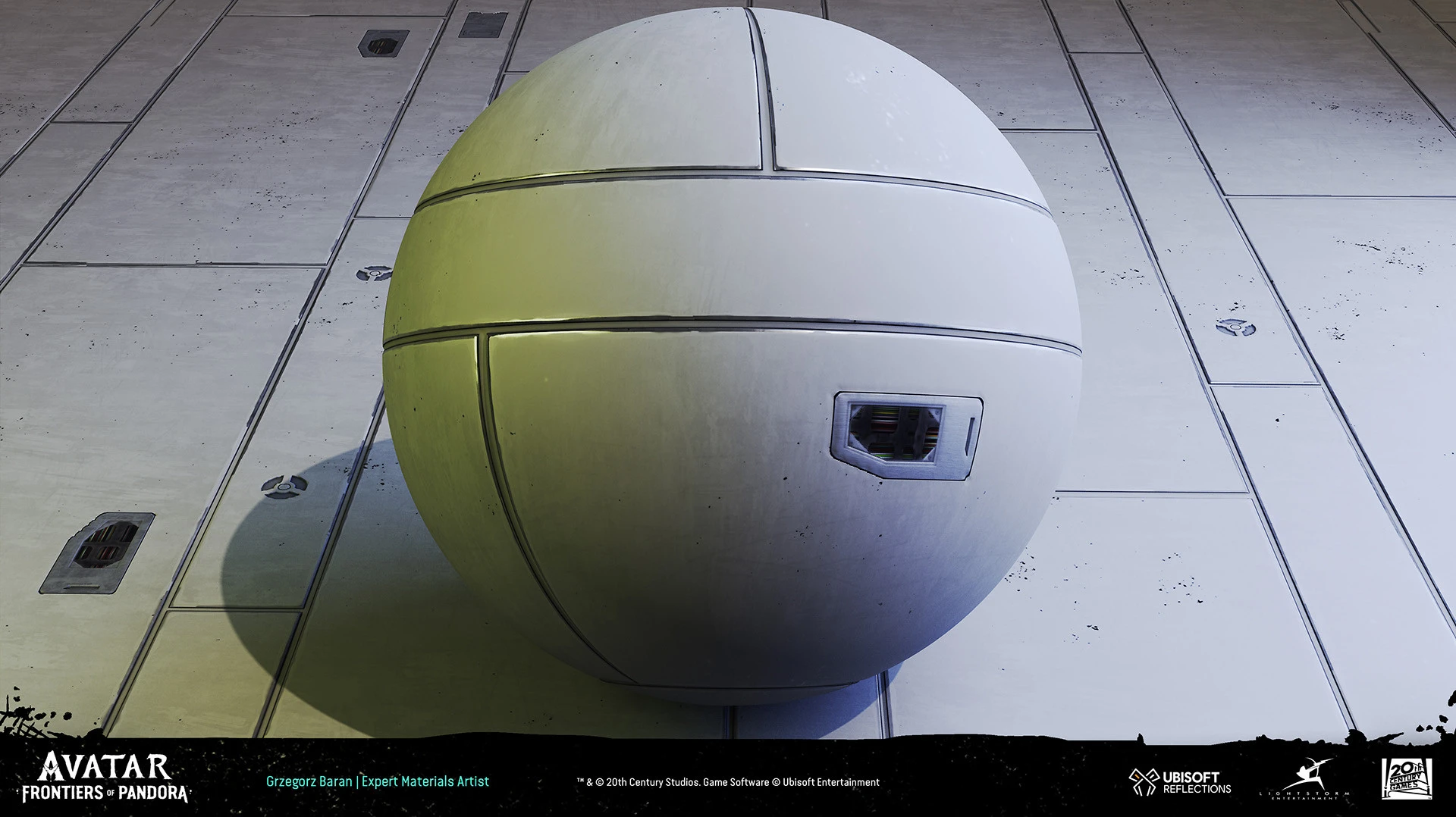
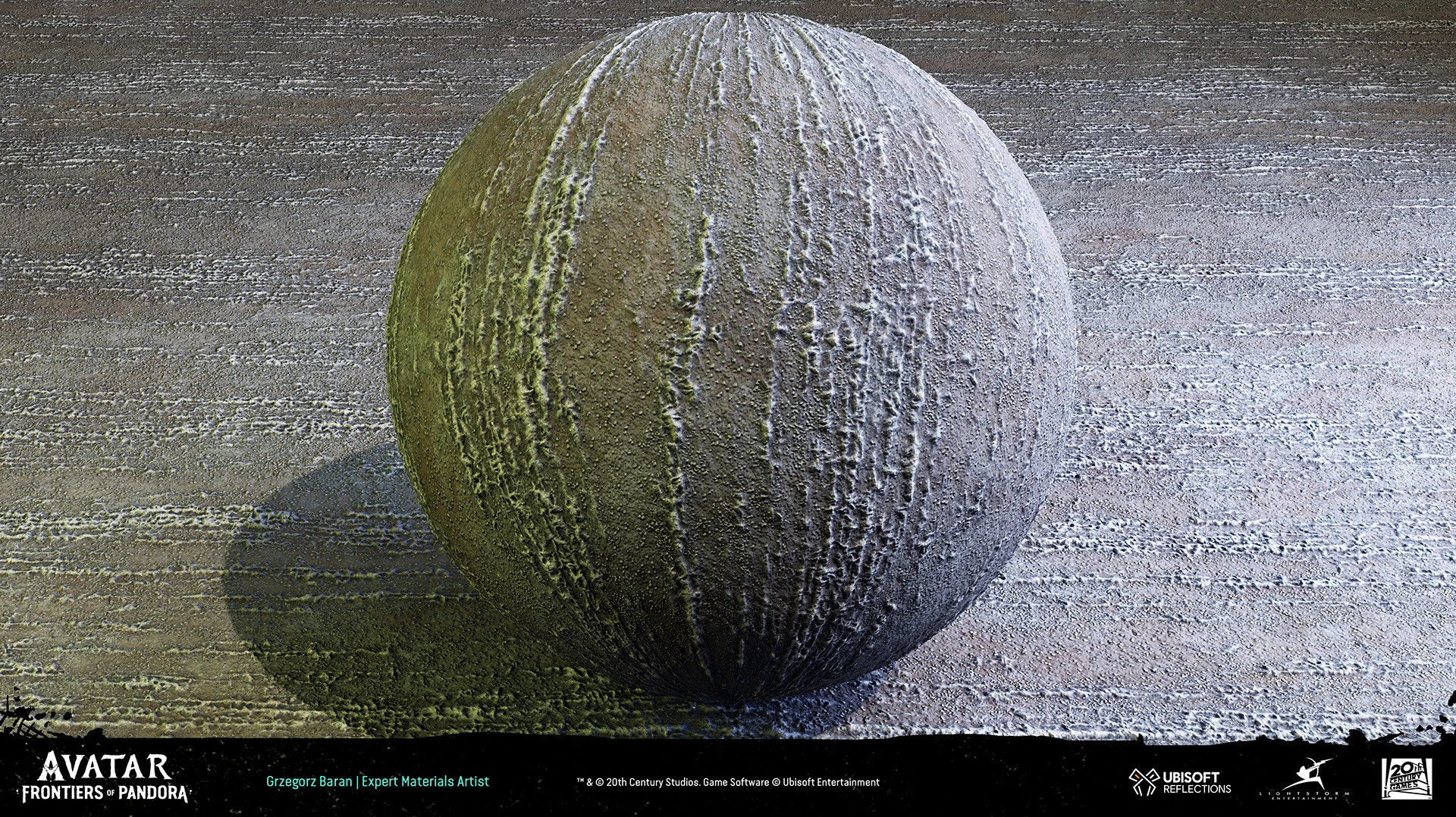
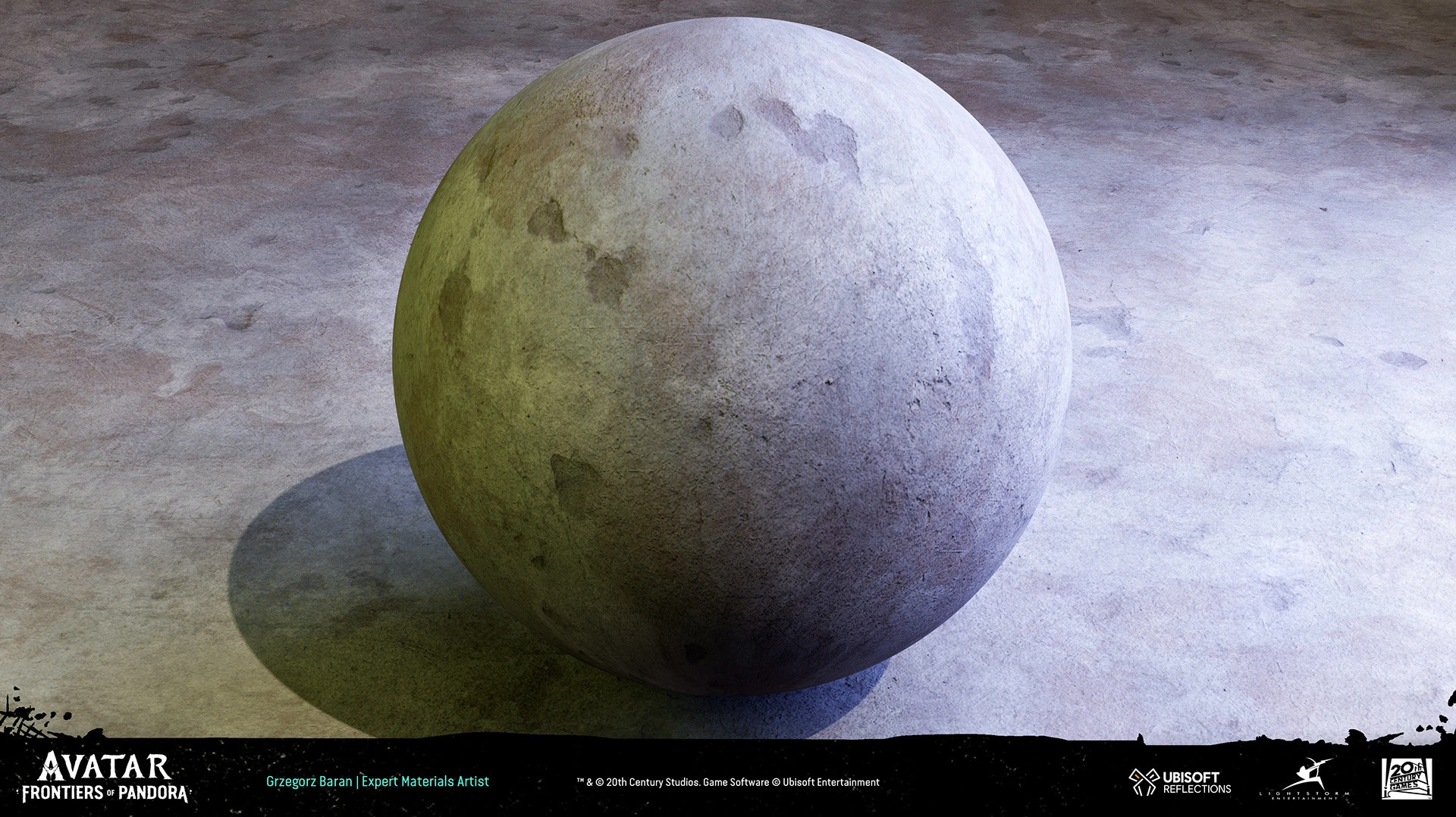
Avatar: Frontiers of Pandora – Materials
Artistic Identity
Your work shows a strong focus on realism, detail, and material response. What draws you to look development and surfacing?
It’s the emotional impact. Materials and lighting don’t just define how something looks, they shape how players feel. Recreating that emotional response is a challenge that brings together everything I’ve learned over the years.
I truly believe materials and lighting are the backbone of any 3D scene. Even the simplest asset can look impressive with the right treatment. Without them, nothing really works.
Do you see yourself more as a technician, an artist, or both?
I see myself as a creator. Whatever the role requires, art, code, math, or science, I adapt. Creation today is a blend of disciplines, and I enjoy that mix. It keeps the work engaging and pushes me to keep learning.
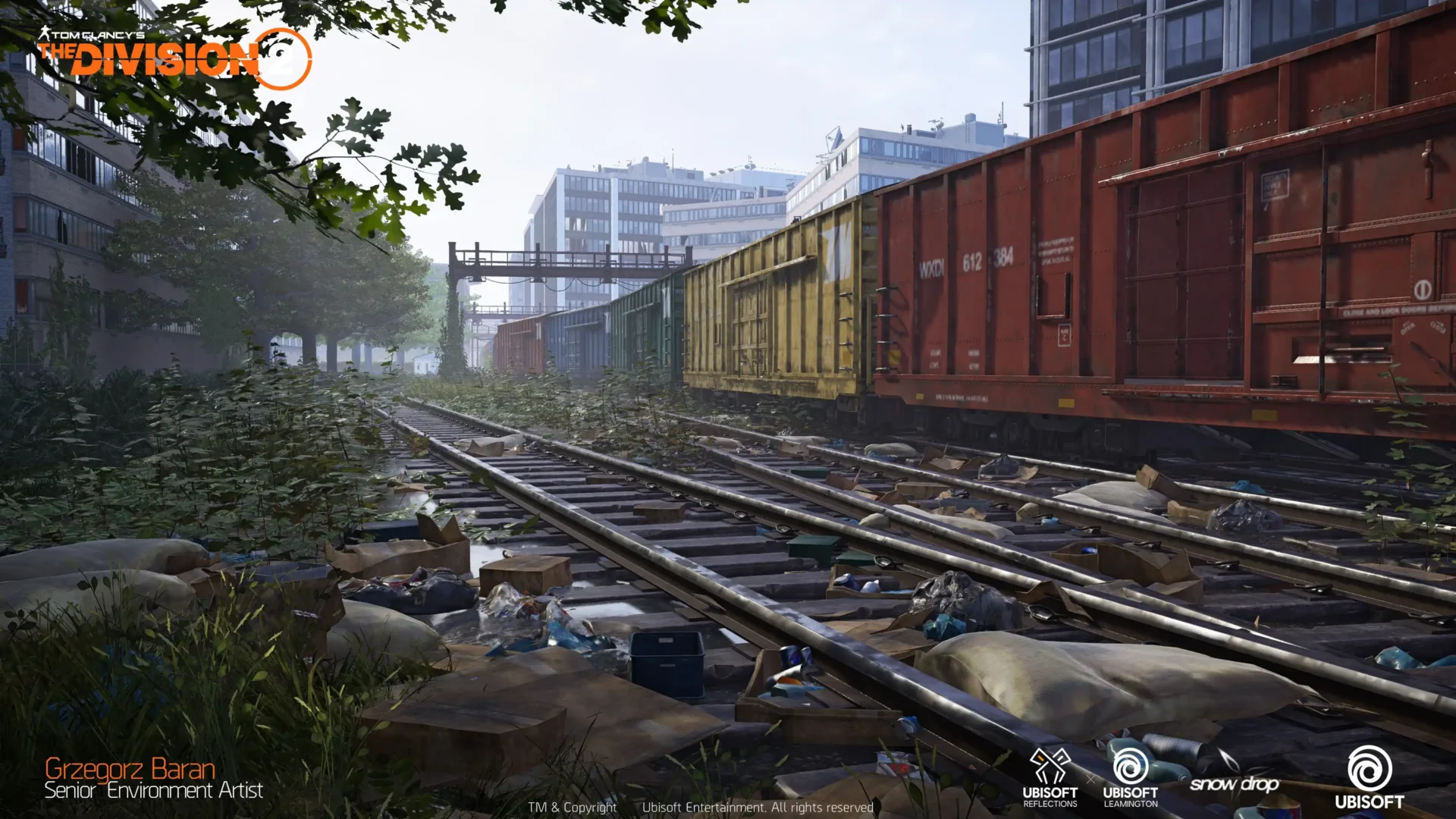
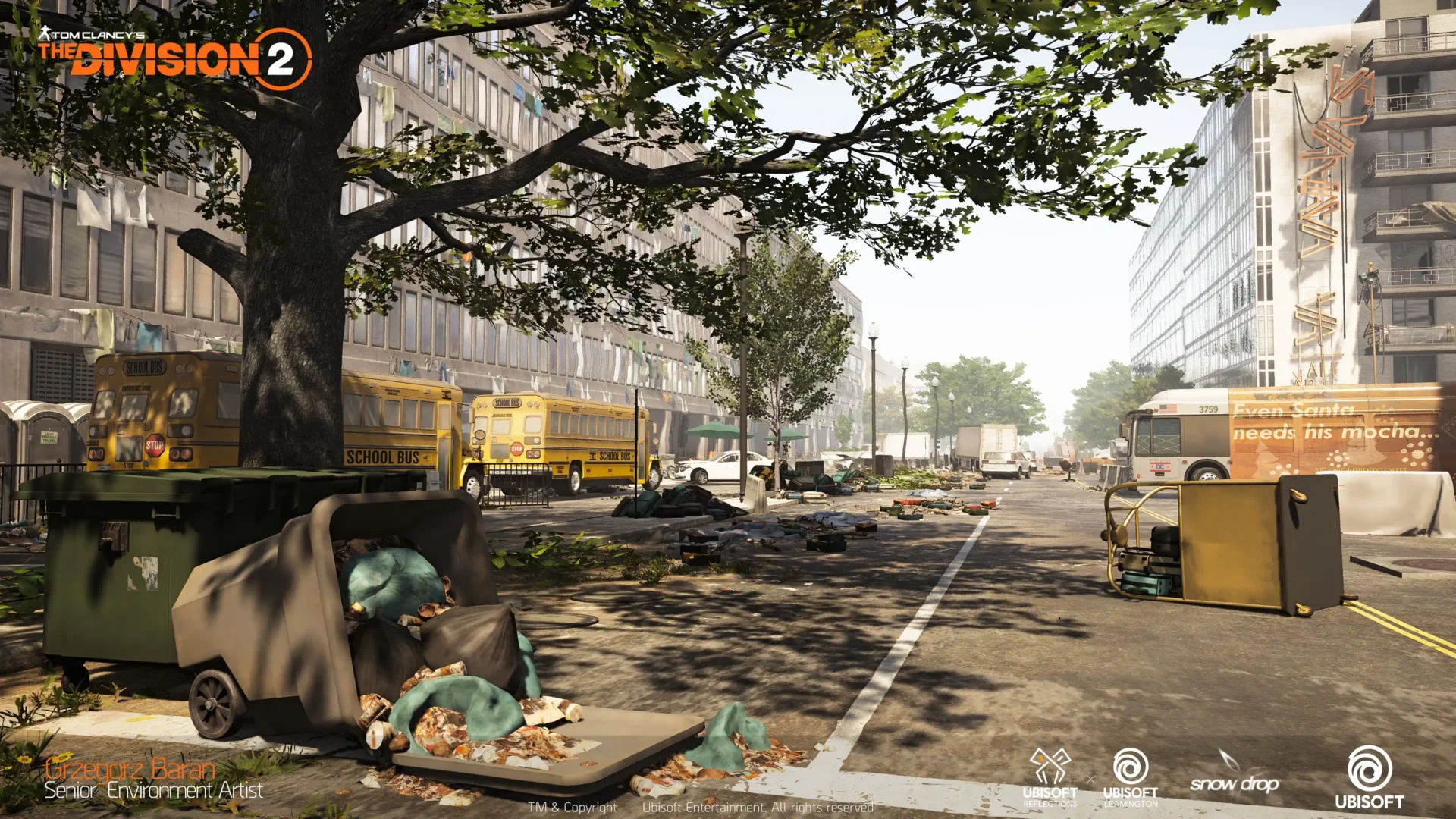
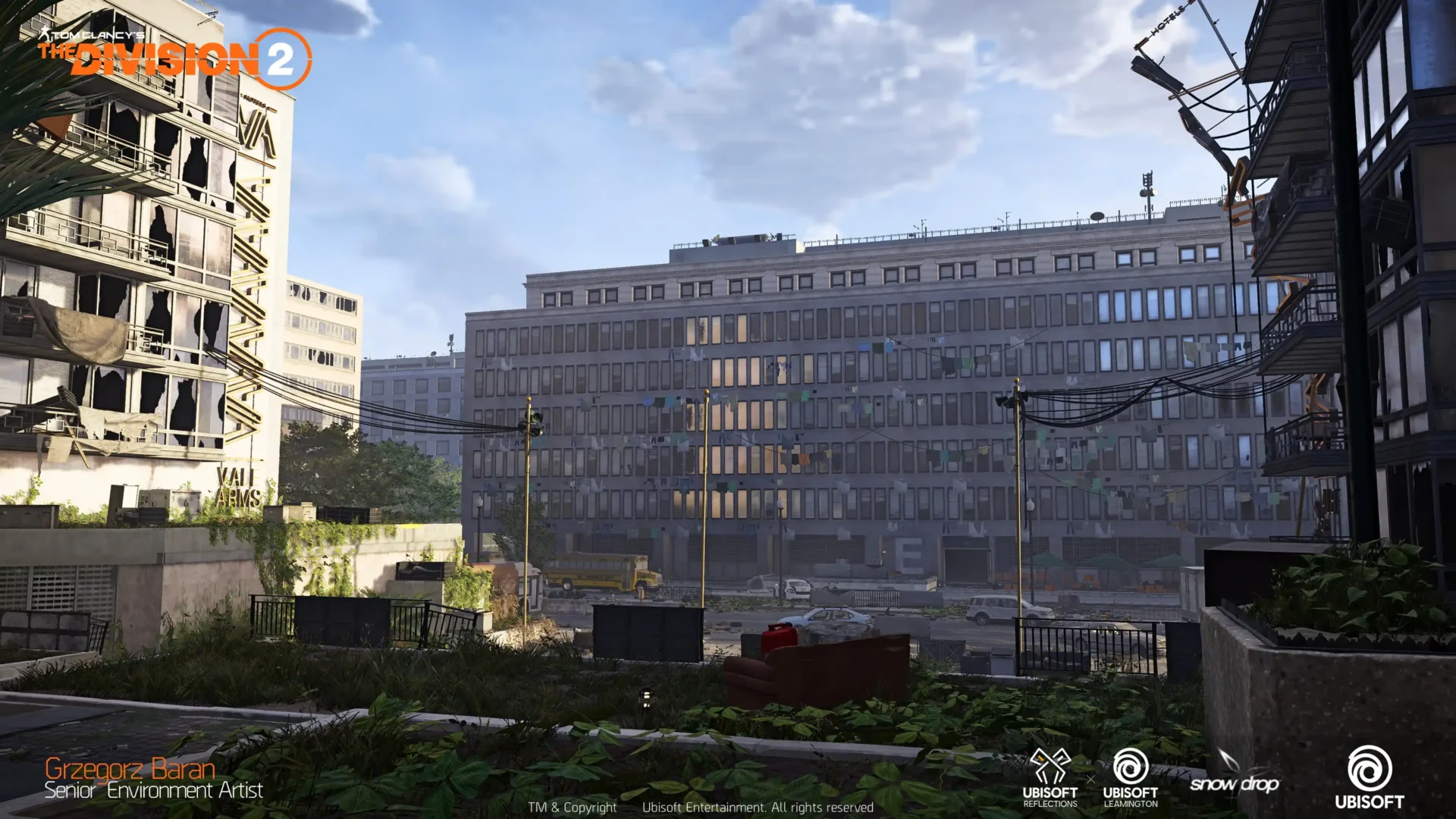
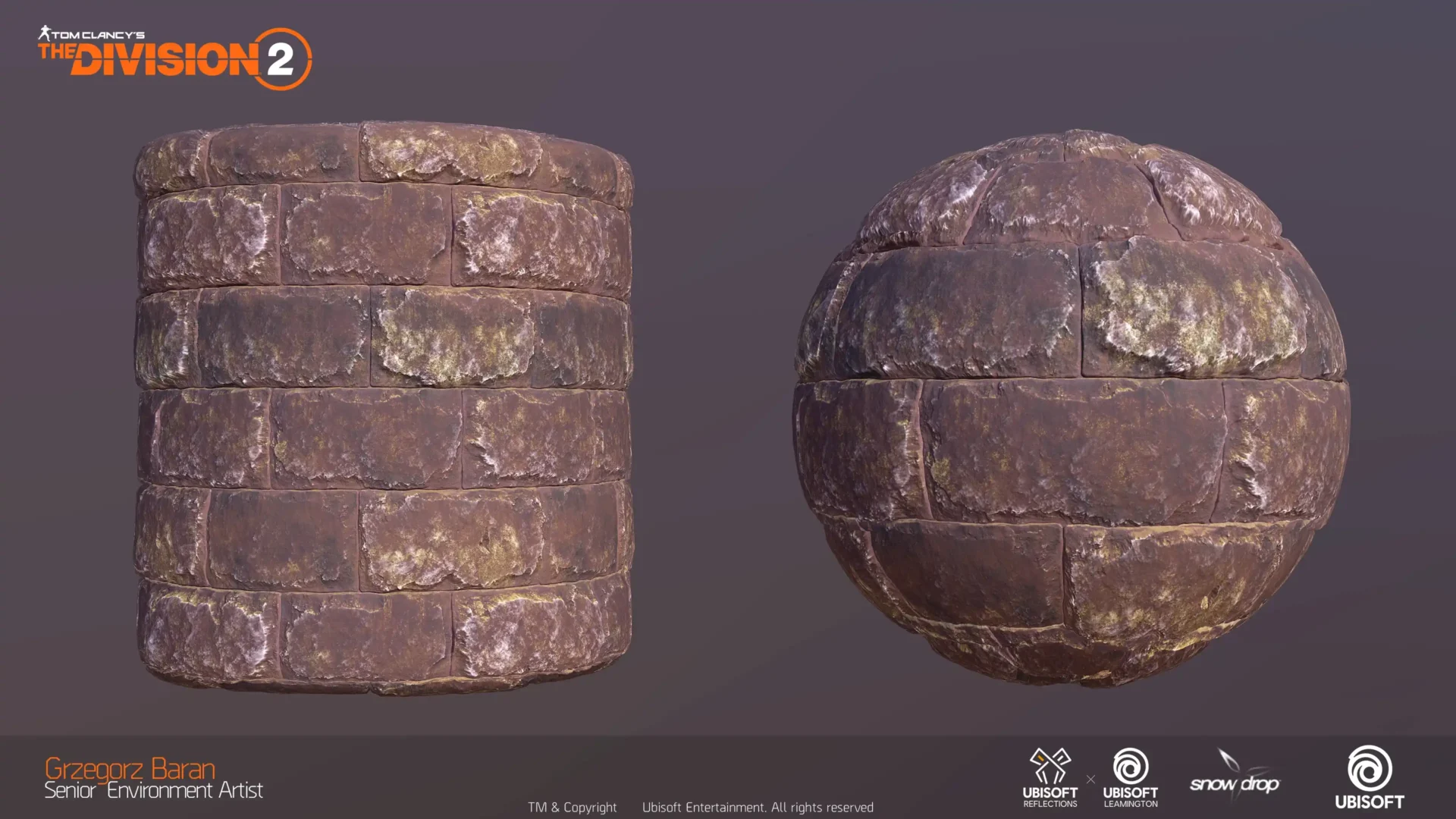
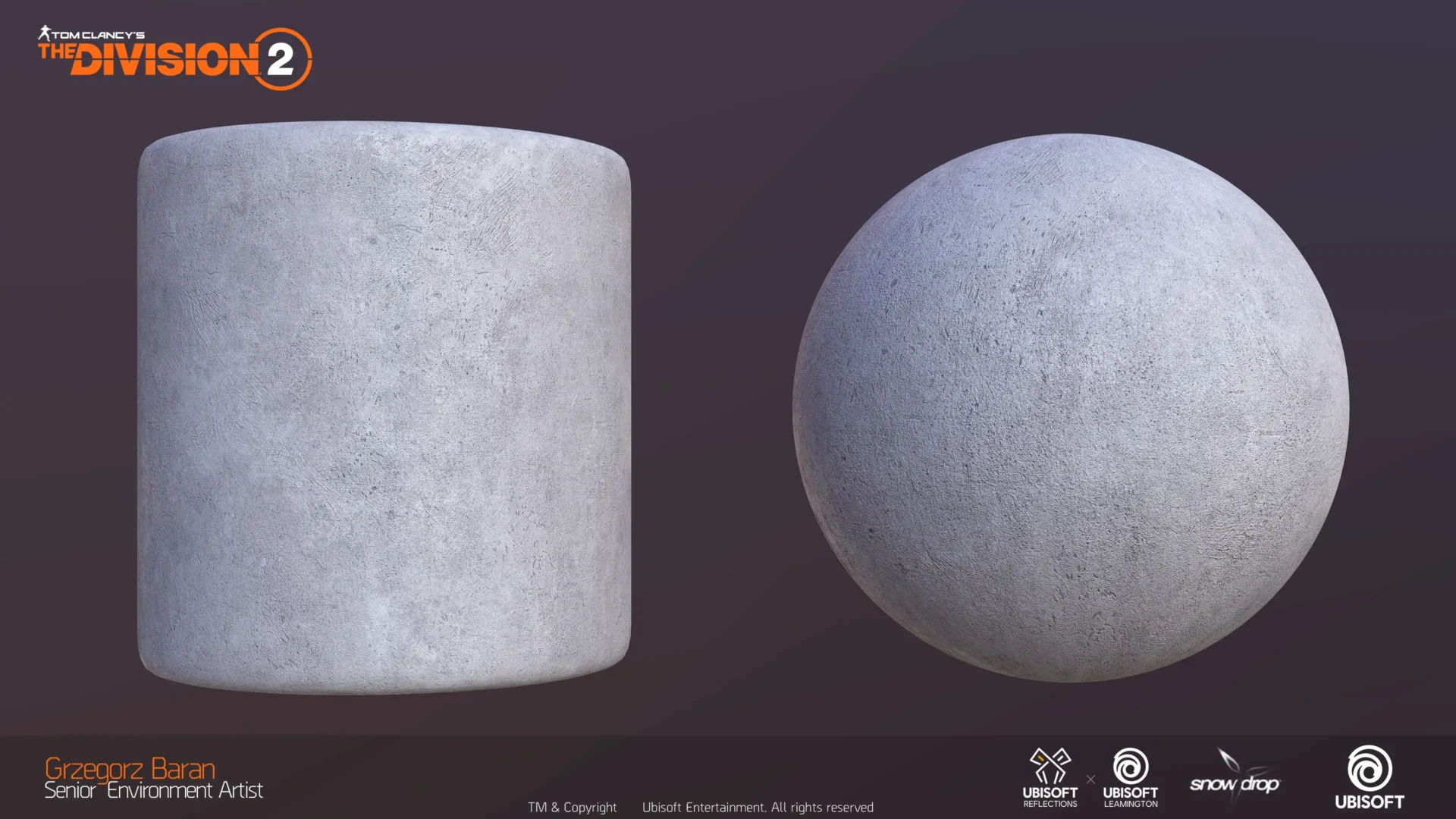
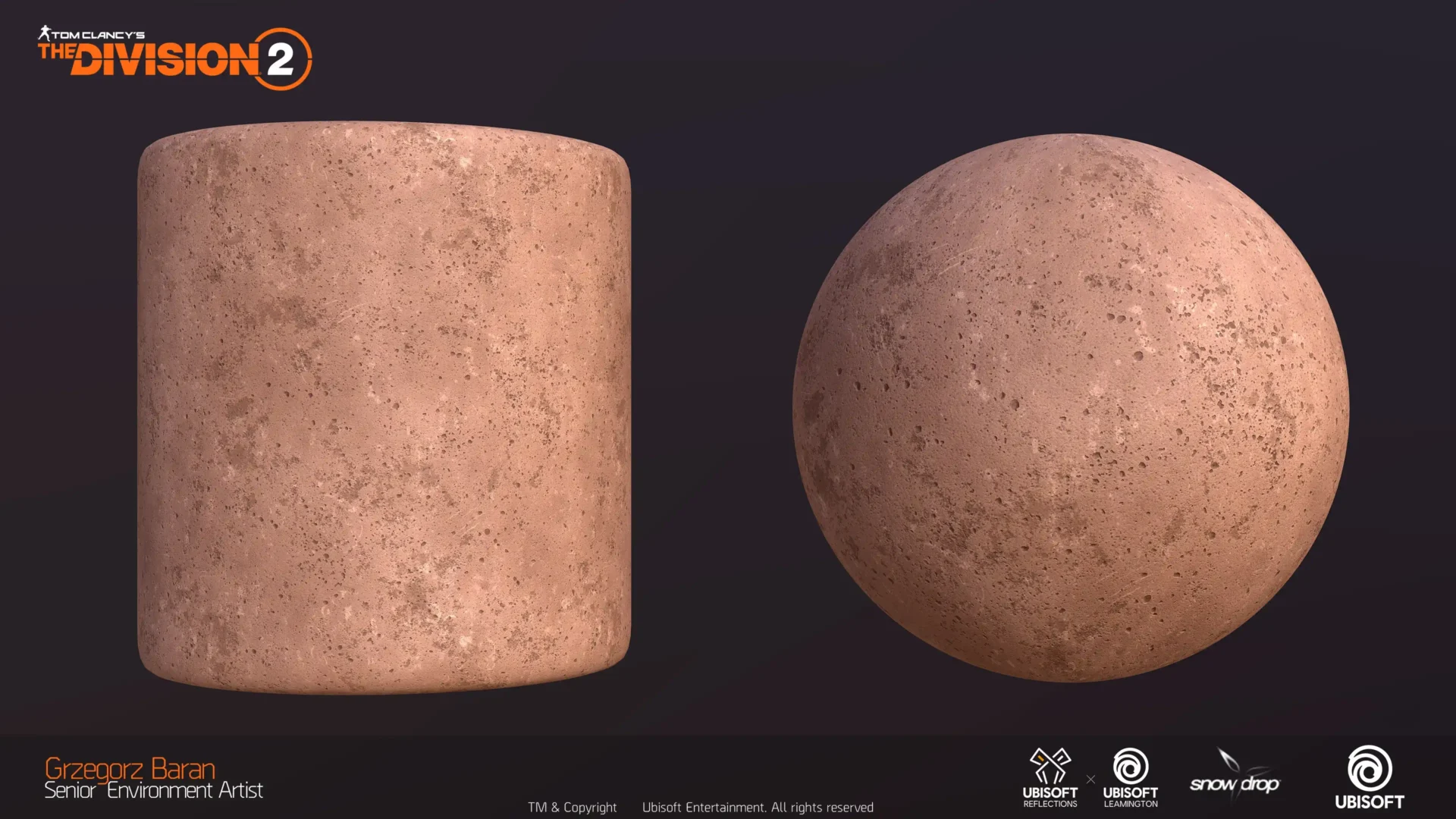
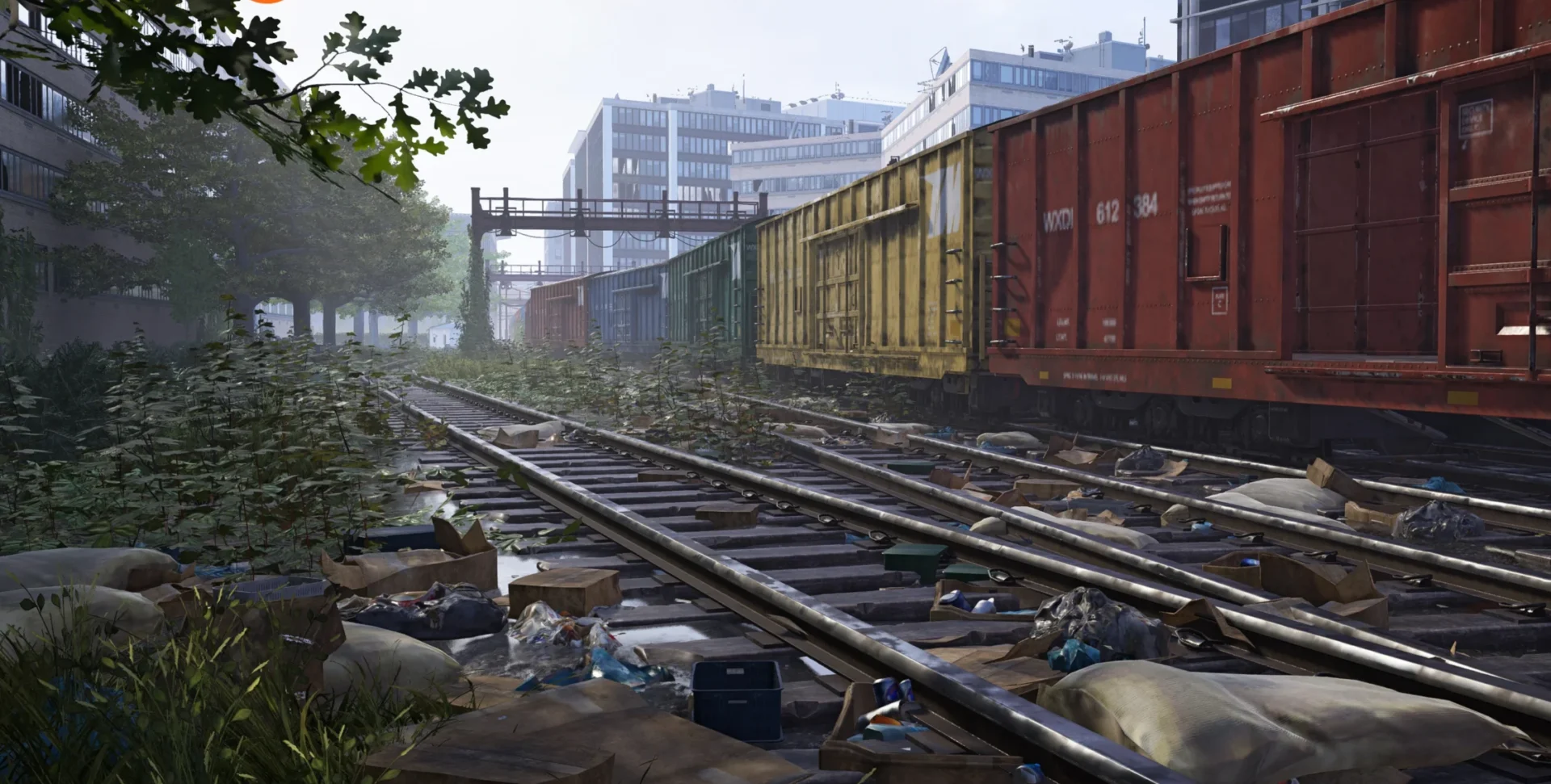
Tom Clancy’s The Division 2 – Environmental work
Workflow & Mindset
When approaching a new asset or character, what does your process look like? Do you follow a fixed pipeline?
I always start with research. I don’t rush into production. There’s a saying: if you pay cheap, you pay twice. The same applies here. Anything good takes time and effort.
Research helps me understand what I’m doing, why I’m doing it, and how to approach the task. Tools, workflows, and constraints come afterward. I evaluate whether I have the right tools and skills, and if a proven workflow exists, I’ll use it. But nothing is ever fixed. If something can be improved, I’ll explore it. That’s why I constantly experiment with new tools and techniques. It keeps the process flexible and the results evolving.
What helps you stay efficient and consistent on large, complex productions?
I’m always learning and experimenting. My rule is simple: tomorrow’s version of me should be better than today’s. Whatever I’m working on, I give it everything. I don’t cut corners, and I don’t hold back. That mindset has guided my entire career.
UVs & RizomUV
As a lookdev artist, clean UVs are essential. How do you approach this stage?
UV layout has a much deeper impact on visual quality than many people realize. It can enhance materials or completely undermine them. It’s a puzzle: making the most of limited texture space while minimizing distortion, stretching, and overlap. When done well, it goes unnoticed. When done poorly, it’s immediately obvious.
In game development, where resources are always limited, UV mapping becomes a balancing act between quality and performance. The approach depends entirely on the asset. Props using tileable materials benefit from minimal seams and precise island orientation, often hidden from view. Assets requiring custom textures or high-poly baking demand careful seam placement and thoughtful layout planning.
Understanding UVs isn’t just about knowing how to unwrap. It’s about knowing why. Every asset is different, and every project comes with its own constraints. Ultimately, it’s about making the best use of available resources so the result both looks good and performs well.
What do you appreciate most about working with RizomUV?
One of the things I really value is that RizomUV is a standalone tool, not tied to a specific modeling application. That flexibility matters. The permanent license model is also a big plus, especially for indie artists. I’m not a fan of subscriptions. I prefer updating when it makes sense, not because I’m forced to.
I use RizomUV because it works. Built-in tools are fine for simple meshes, but once assets become complex, they quickly reach their limits. RizomUV is fast, precise, and gives full control over seams, islands, and layout. For serious UV work, it’s my go-to tool.
“UV Unwrapping: A Serious Guide for Clean, Production‑Ready Results”
Industry & Mentoring
What makes a strong production environment for lookdev and texturing?
It comes down to people. I’ve been fortunate to work with incredibly talented professionals on top-tier technology and AAA productions. The amount I’ve learned from those collaborations is immense.
The best environments I’ve experienced were creative, supportive, and technically strong. Talent matters, but mindset and mutual respect matter just as much. That’s what truly makes the difference.
Do you enjoy mentoring younger artists?
Mentorship is part of my daily work. I wouldn’t be where I am without the people who shared their knowledge with me, things that would have taken years to figure out on my own.
I can’t mentor everyone individually, which is why I started my YouTube channel. It’s my way of giving back and making advanced workflows more accessible to a wider audience.
Looking Ahead
What excites you right now, both professionally and personally?
I’d love to learn everything, but I have to be strategic. Right now, my focus is on mastering Substance Designer and Substance Painter, especially for materials and tool development. It’s rare to see artists fluent in both, yet together they offer incredible control.
To get the most out of them, you need solid UVs, which makes RizomUV an essential part of the workflow. Blender is my main 3D tool. Beyond that, I explore scanning techniques, study art and form design, dive into science, physics, and color theory, and practice guitar when I can. I also keep refining the skills I already have so they don’t fade.
How do you see the future of lookdev evolving?
The industry moves in cycles. Right now, we’re shifting away from quantity and back toward quality and creativity. AI is improving our tools and reducing repetitive tasks. Teams may become smaller, but more senior and specialized. That means more responsibility at the individual level.
Today, mistakes can be absorbed by the team. In the future, that safety net may not exist. Experience, knowledge, and creativity will become the real currency. It will be challenging, but also rewarding for those who are prepared.