Alex Coman: Shaping Worlds Through Light and Surface
Hi Alex, thanks for joining us! To kick things off, could you tell us a bit about yourself and how you got started in 3D art and visual development?
Hey, thank you for having me! I got started in 3D art in general while being in highschool back in the good old days of 2005. A friend gave me a CD and said, “I have this nifty program and you seem to stay way too much at your PC, why don’t you start toying with it.” He basically changed my life that day. I was always drawn to geometry in general so for me that was hook, line and sinker.
Your work is known for its mood, texture, and incredible material fidelity. What were some of the key influences that helped shape your creative identity? Are there particular artists, films, or personal projects that pushed you to refine your lookdev style?
I must admit, one of the first movies that I watched with my jaw on the ground was Wall-E in 2008, remember I’ve been dabbling in 3d for 3 years now, and tutorials were very scarce at that time. Seeing the visual quality of that animated film just blew my mind, I still remember saying outloud “HOW DID THEY MAKE THOSE TRASH PILES?!?”, look back, you’ll see what I mean. Watching movies, especially ones with beautiful cinematography is very difficult, I still don’t know the plot of Bladerunner 2099, but I know all the scenes by heart, visually at least, haha.
Specialization & Work
You’ve worked across multiple disciplines—from lighting and surfacing to modeling and rendering. How did you find your niche in look development, and what keeps you passionate about this part of the pipeline? Also, your portfolio shows a lot of care in both realism and stylization. How do you balance technical precision with creative expression in your projects?
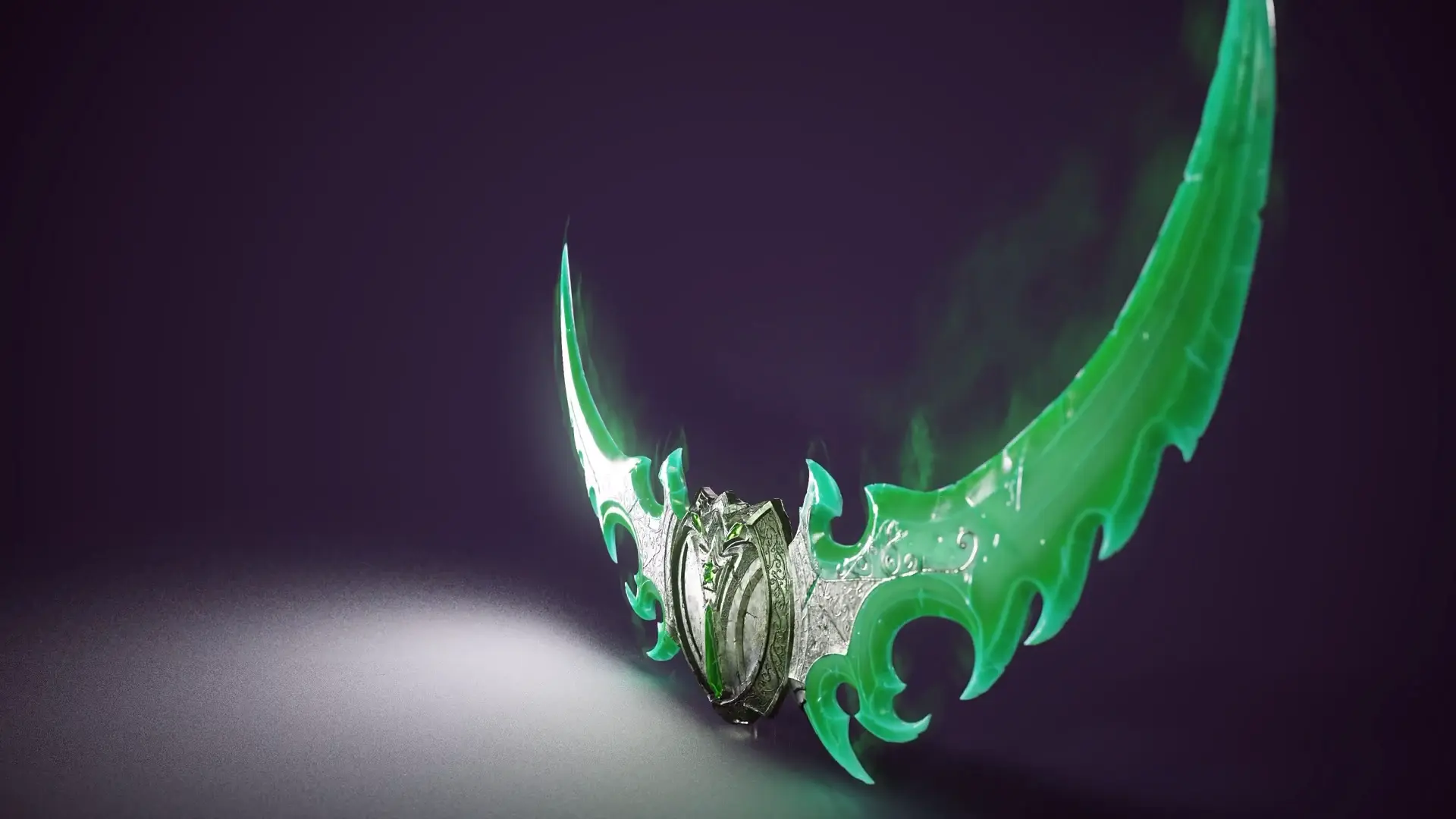
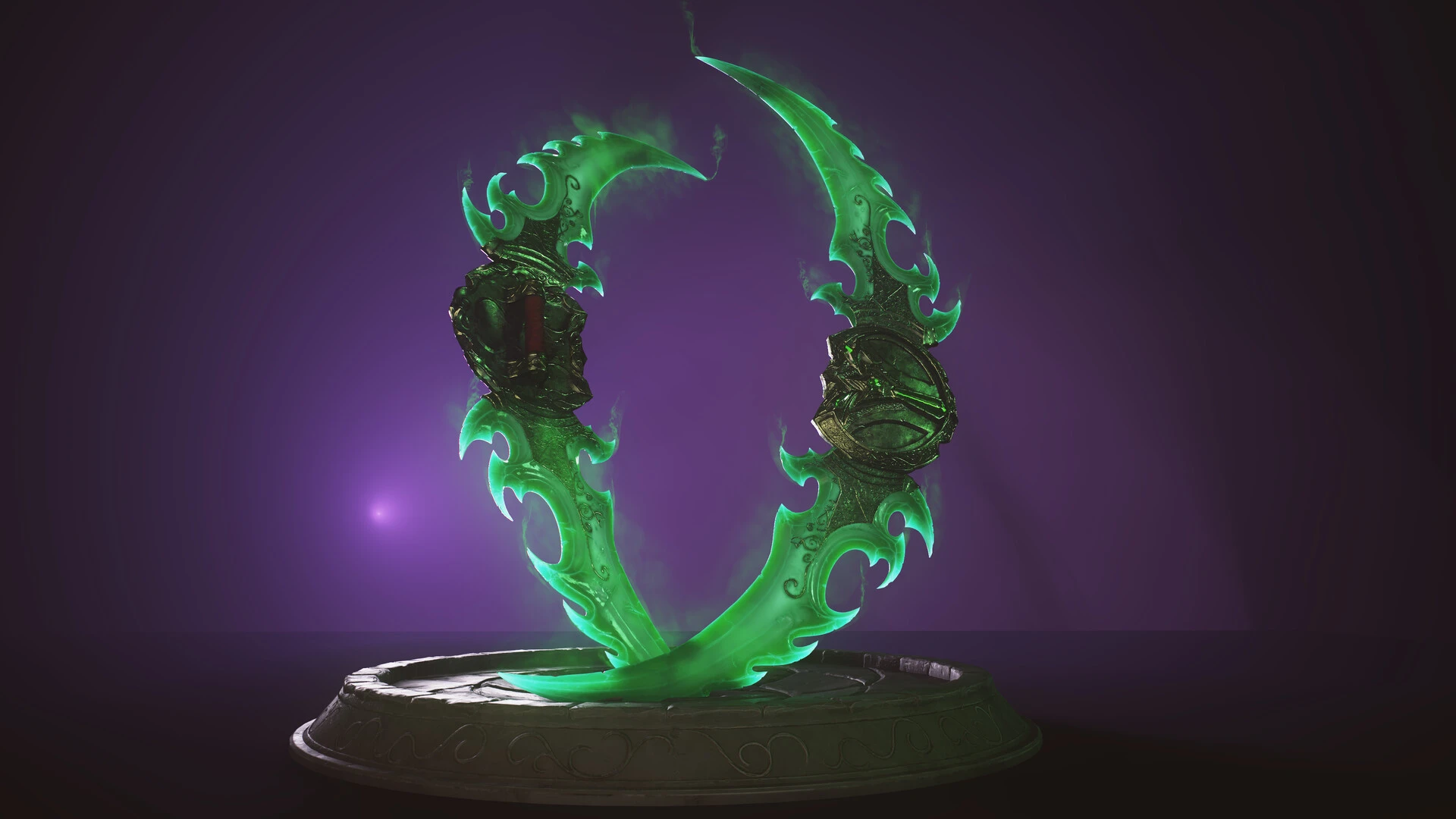
It’s almost like when forging something, the metal is stubborn, but given enough time, technique and persistence it WILL take the shape you want even if it requires a few extra smacks with a hammer. That is basically how I approach things, most of the personal projects that I make are a challenge and almost a complete change from my previous ones. I have no clear path, but I know that with enough persistence and with an extra hammer hit or two , the project will look good. Oh and always tell a story with your renders, that’s also good advice.
Technical Workflow & Tools
Your materials and surfaces always feel grounded and tactile. Can you walk us through your workflow from initial shading tests to final lookdev approval?
Always build up, start simple, add color variation and gradients that’s the secret to achieving a good looking material in my experience. Just when you think you’re done, rest your eyes for a few hours or a day, come back, add some more.
UV mapping is a crucial step in texturing and shading. What’s your approach to unwrapping complex assets, and do you rely on any dedicated tools like RizomUV?
Absolutely, Rizom has been a key part in my work, ever since I started using it, I never went back both for my personal projects and work. Working on complex assets is a breeze , performance is great. Unwrapping a complex building (which I had to do almost countless times!) feels a little bit TOO easy now. All the tools from cutting and selecting, to straightening and aligning come together in one of the most natural ways to unwrap something. When working on props for Diablo IV, we had to deliver crazy UV coverage because it is such a optimized game. Doing that with RizomUV kinda felt like cheating, honestly.
Are there any tools, features, or techniques that have become essential in your everyday lookdev workflow?
Honestly, I like to keep it pretty simple, when it comes to look dev. Over my career I’ve been using offline renderes, biased and unbiassed, standalone render engines, dedicated game engines and custom game engines. Learning their strengths and weaknesses helped a lot.
Any tips for artists who want to reach the same level of material depth and surface realism?
Always keep your eyes peeled. Observe and take in everything around you as much as you can. If you’re watching a movie, be it animated or not, pay a little bit of attention (or like me, all of it) to the light setup, the materials a scene has, composition, movement. What I’ve learned from that is everything needs to react well with light, have surface variation in most of the channels, be it diffuse, roughness, metalness, subsurface, etc, nothing is perfect.
Breakdowns & Insights
Can you share the story behind one of your favorite recent projects — from idea to execution — and how you approached the look development?
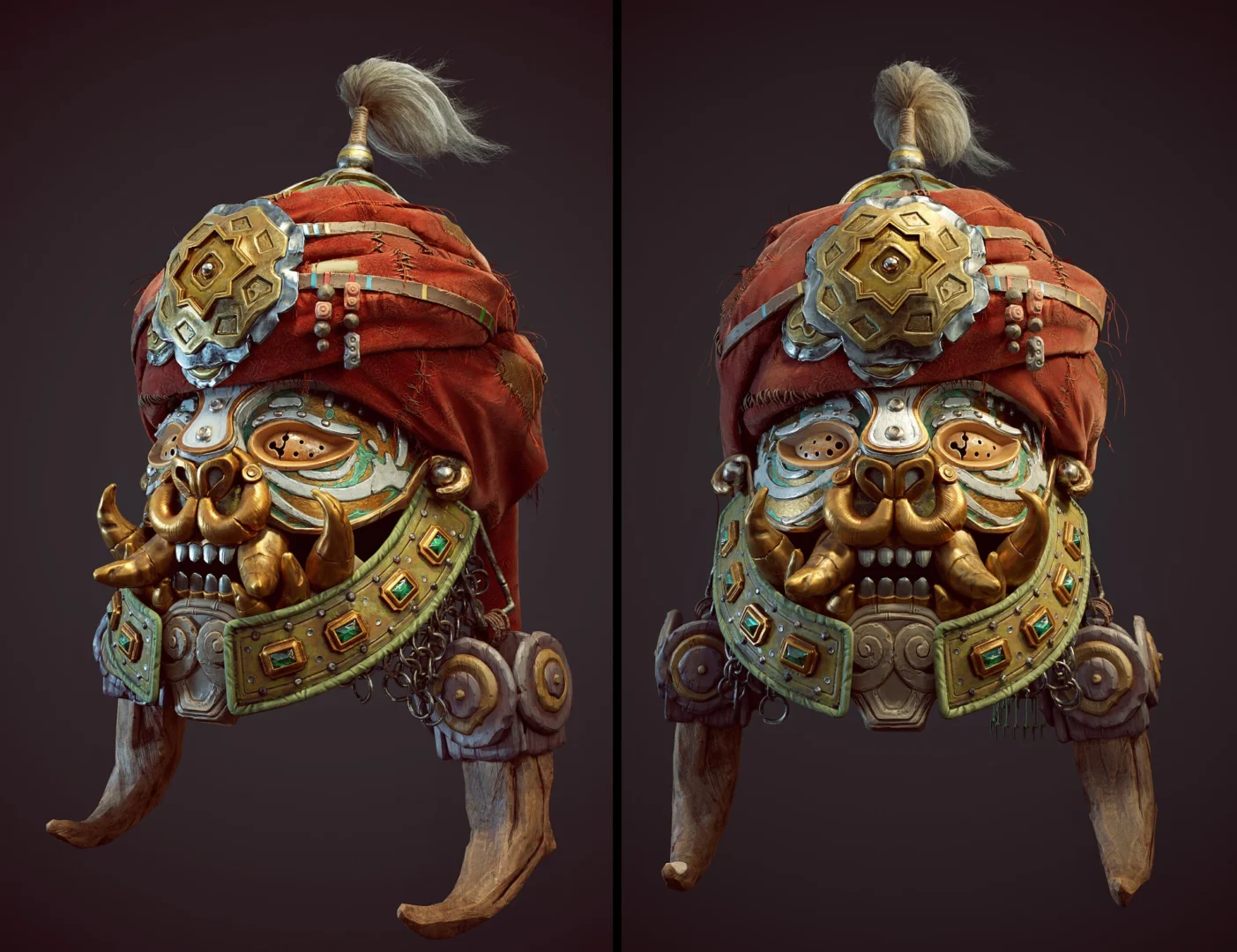
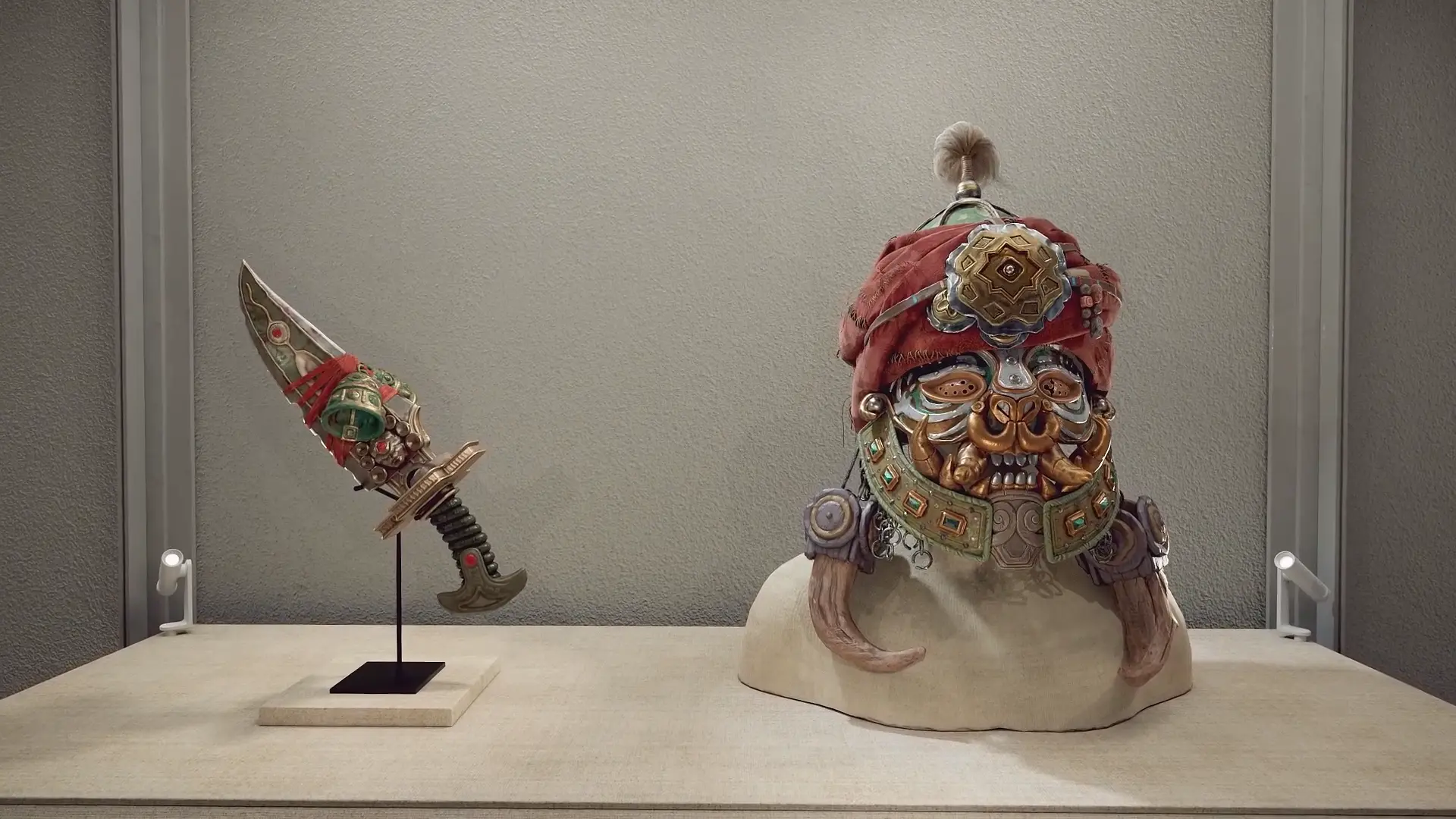
Even though it’s not SUPER recent anymore, still my favorite project was the Ceremonial Mask. I saw the amazing concept just while casually browsing artstation, everything from the colors, the weight of it, the complexity spoke to me. Lookdev was actually rather simple for the mask, using what I already know, taking care of the values in all the relevant channels, finding the right balance between realism and stylisation. Proper variation and gradients.
You’ve clearly built a strong visual identity over time. What advice would you give to artists looking to specialize in lookdev or shading?
Try to actively observe stuff, make a habit out of it, and after that it will come naturally to you when you look at the surface. It takes a bit more energy to take in the world around you, but it is worth it when you can dial in that last 2% that an asset needs to be top notch.
Closing
What’s coming next for you? Are there any new challenges or areas you’re excited to explore, maybe outside of lookdev?
I am trying to also learn more of the tech side of things, including a little bit of C++ and development. Trying to put all my skills into play, haha.