

“All You See Is Light” : Interview with Roman Prytuliak, 3D Artist
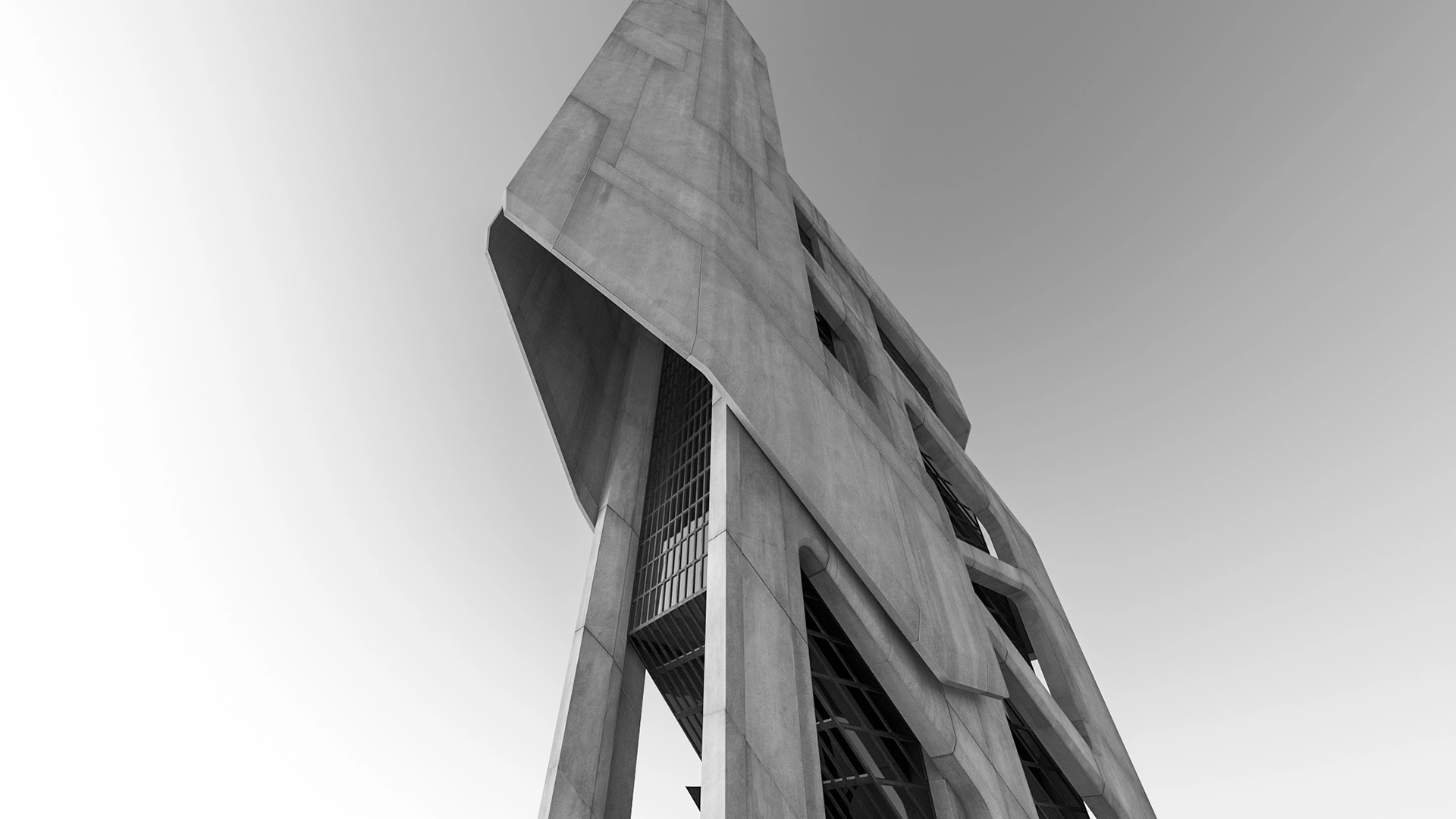
Hi Roman, thanks for taking the time to speak with us. To get started, could you briefly introduce yourself and tell us how your journey into 3D art and digital creation began?
Hello, my introduction to 3D art happened in Kremenchuk, Ukraine around 1999, when my mother, who worked in marketing, took me with her to a local advertising agency where I saw 3D Studio for the first time (the DOS version, prior to 3ds Max). I was in high school at that time and of course spent a lot of time playing video games. I remember being shocked by the fact that you could create things you see in games using a regular home PC.
But it wasn’t really a thing as a “proper” job in a small town in the early 2000s. So I entered university, and 3D art became my main hobby, helping me from time to time with some jobs I had, like designing a store sign. Around 2010, I discovered the 3D asset market, so 3D modeling became my full-time job.
Career & Artistic Path
You’ve worked on a variety of projects, ranging from personal artwork to production driven assets. Looking back, what were the key moments or choices that helped shape your artistic direction? Also, your portfolio shows a strong focus on environments and detailed assets. What drew you toward this area of 3D rather than characters, animation, or other disciplines?
I’ve always been a huge fan of first-person shooter video games such as Doom and Wolfenstein, as well as sci-fi movies like Star Wars, Blade Runner, and Aliens. For me, environment design has always played the defining role in the mood and overall atmosphere. I mean, you can place any character in a Star Wars setting, and it will still look like Star Wars.
As for smaller-scale assets, sometimes I just take a look at what’s around, like a guitar standing in the corner, and I just model it.
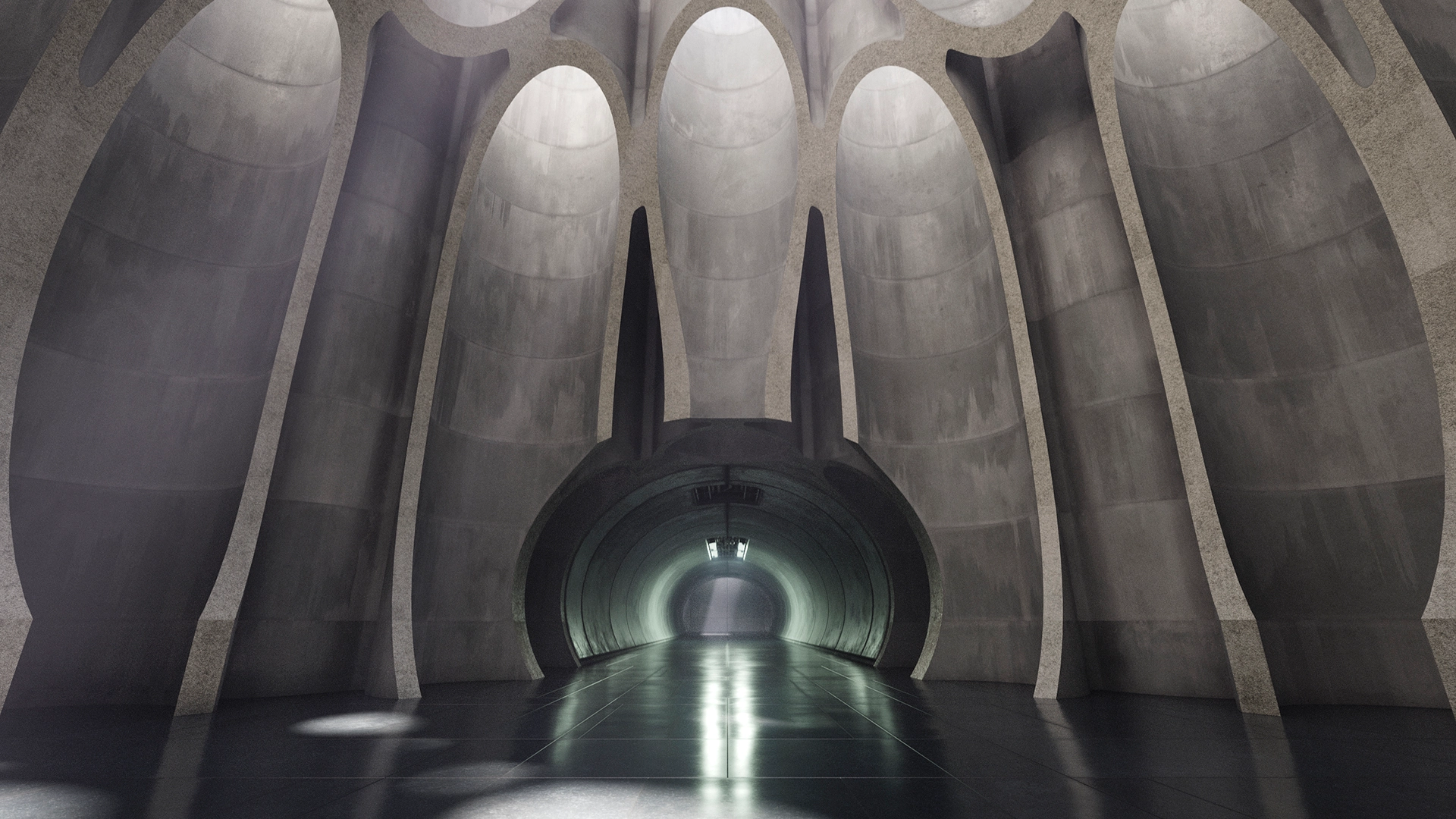
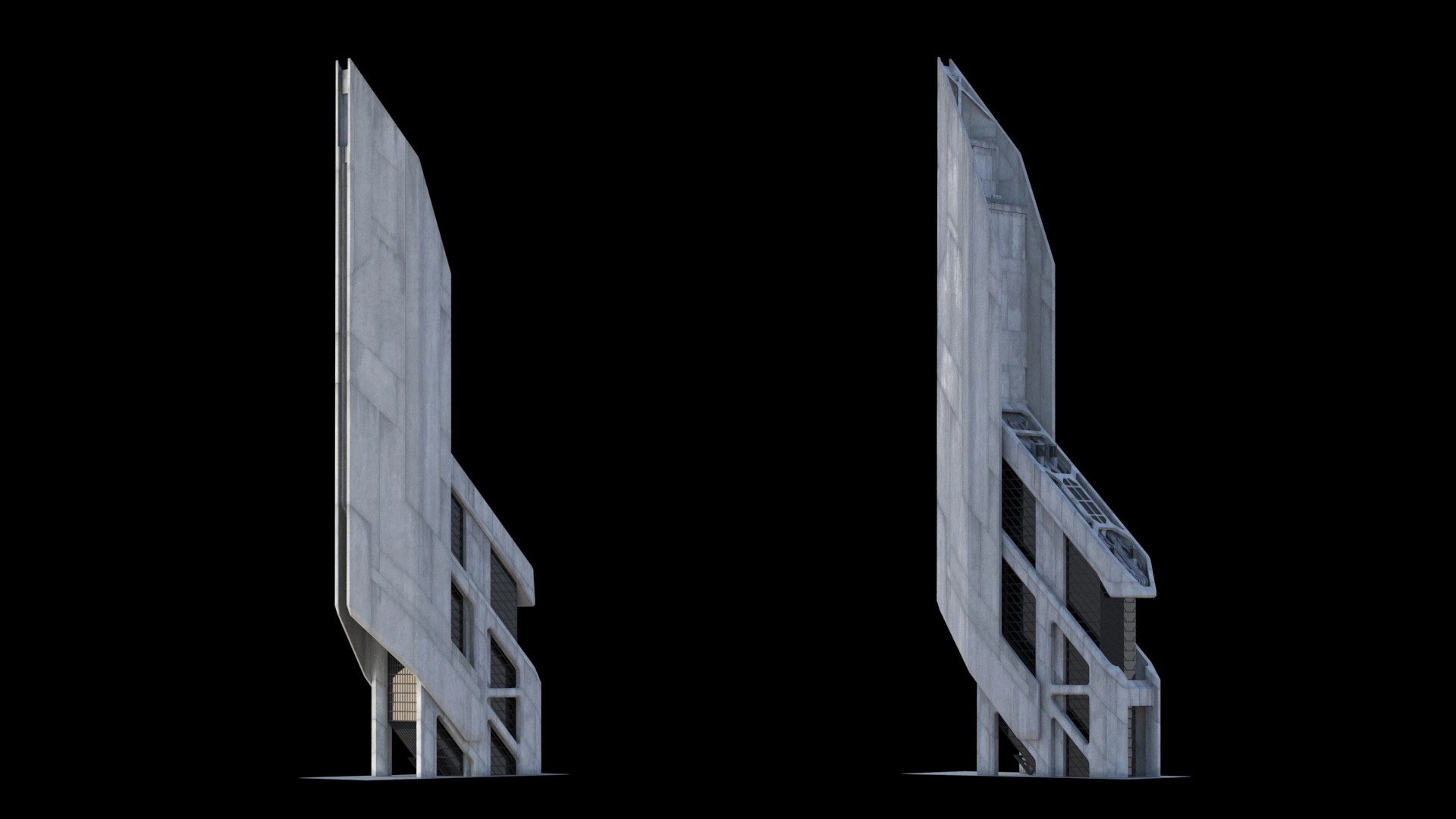
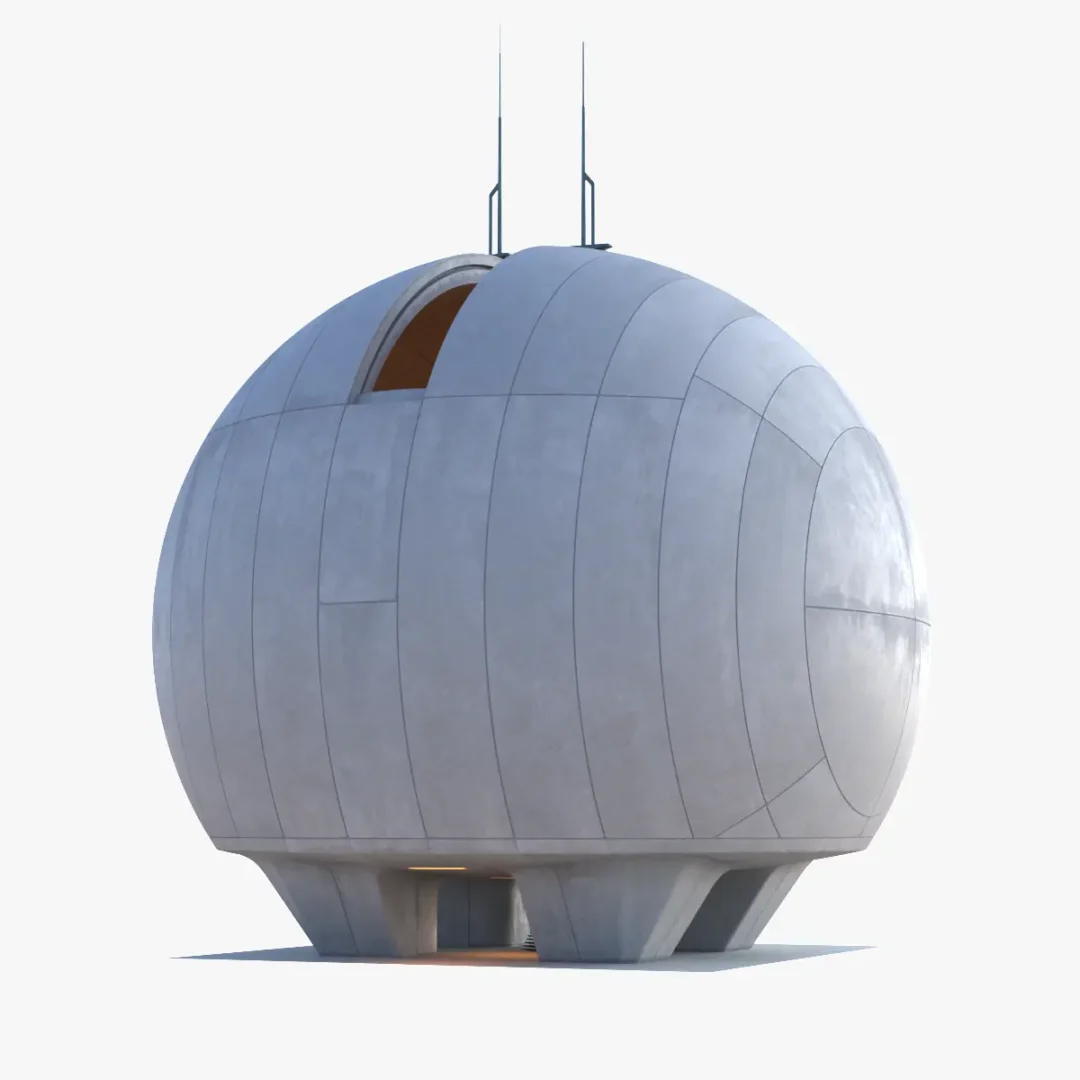
Project: Silo
Visual Identity & Artistic Intent
Your work often combines realism with a strong sense of mood and structure. When approaching a new scene or asset, what do you try to establish first: composition, scale, materials, lighting, or narrative intent?
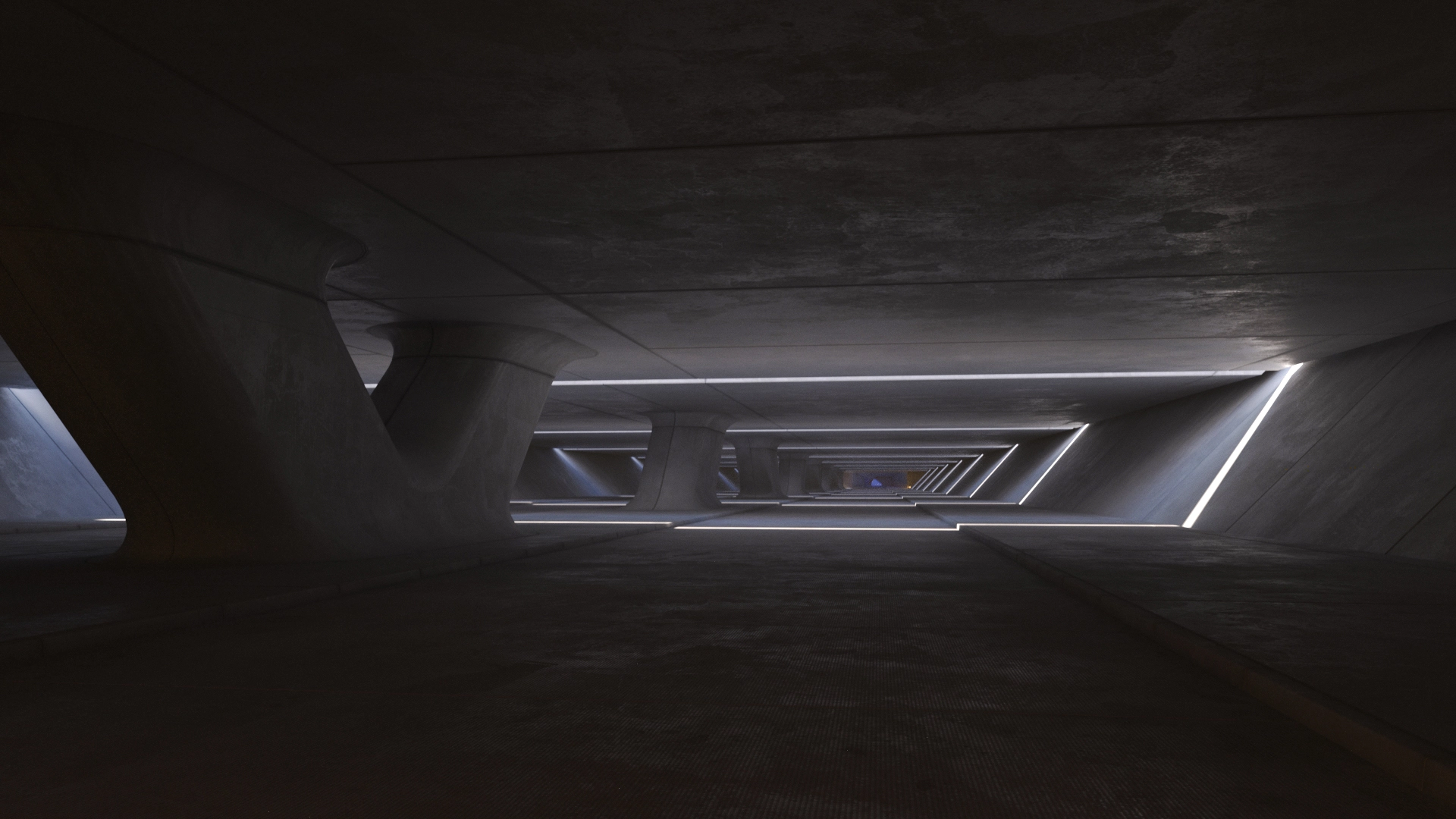
I think composition comes first, with lighting as an integral part. As photographers say, “all you see is light.” I try to keep that idea in mind when working on the basic forms, so light and geometry help shape each other. Then I usually try to imagine what kind of world the scene could belong to. Maybe this is a utopia from the future, 200 years from now. Or a dystopia. Or something that could be built today.
Workflow & Production Thinking
Can you walk us through your general workflow when creating an environment or complex asset, from early blockout to final lookdev? How do you balance artistic freedom with technical constraints, especially when working on assets meant for real time or production pipelines?
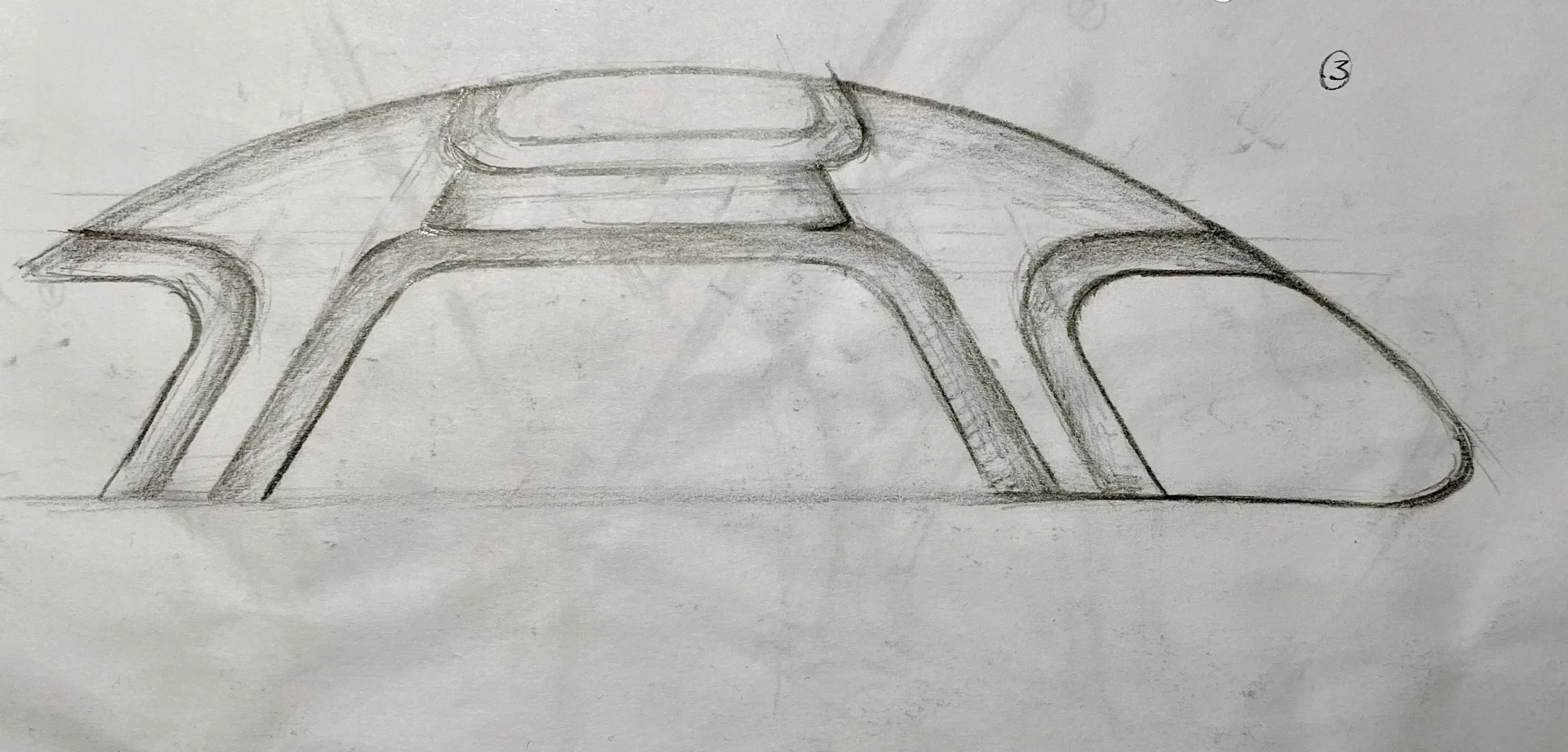
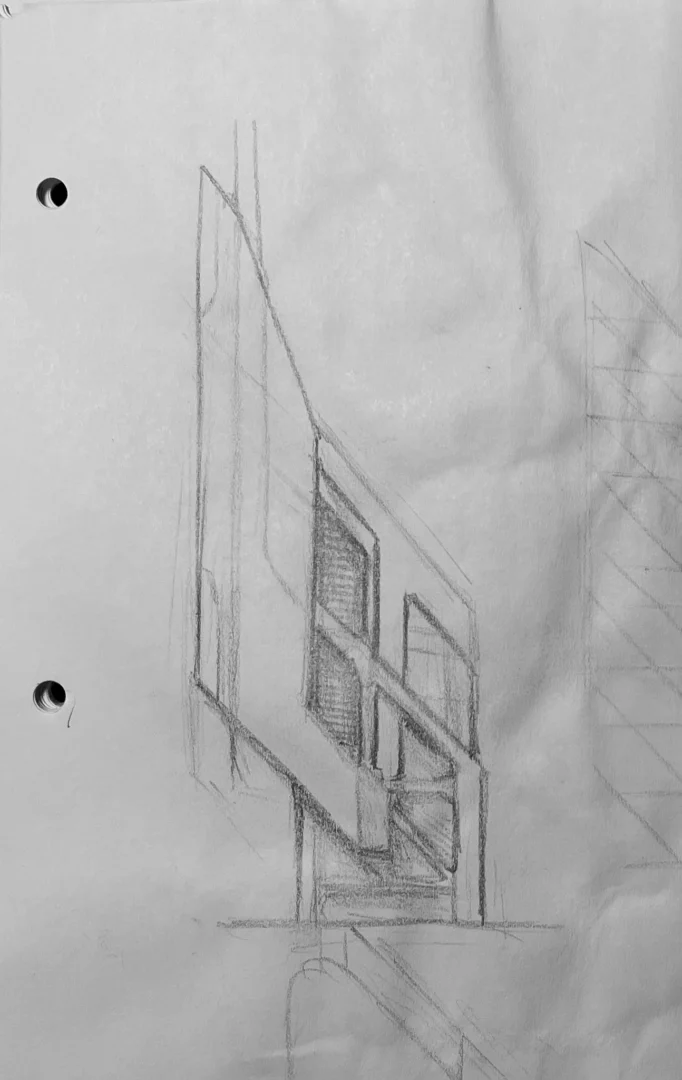
Usually it starts with a simple sketch done with pen or pencil. I can’t draw very well, and it actually kind of helps, as unintentional variations in the lines I put on paper help transfer a generalized, slightly blurry idea into a more specific form.
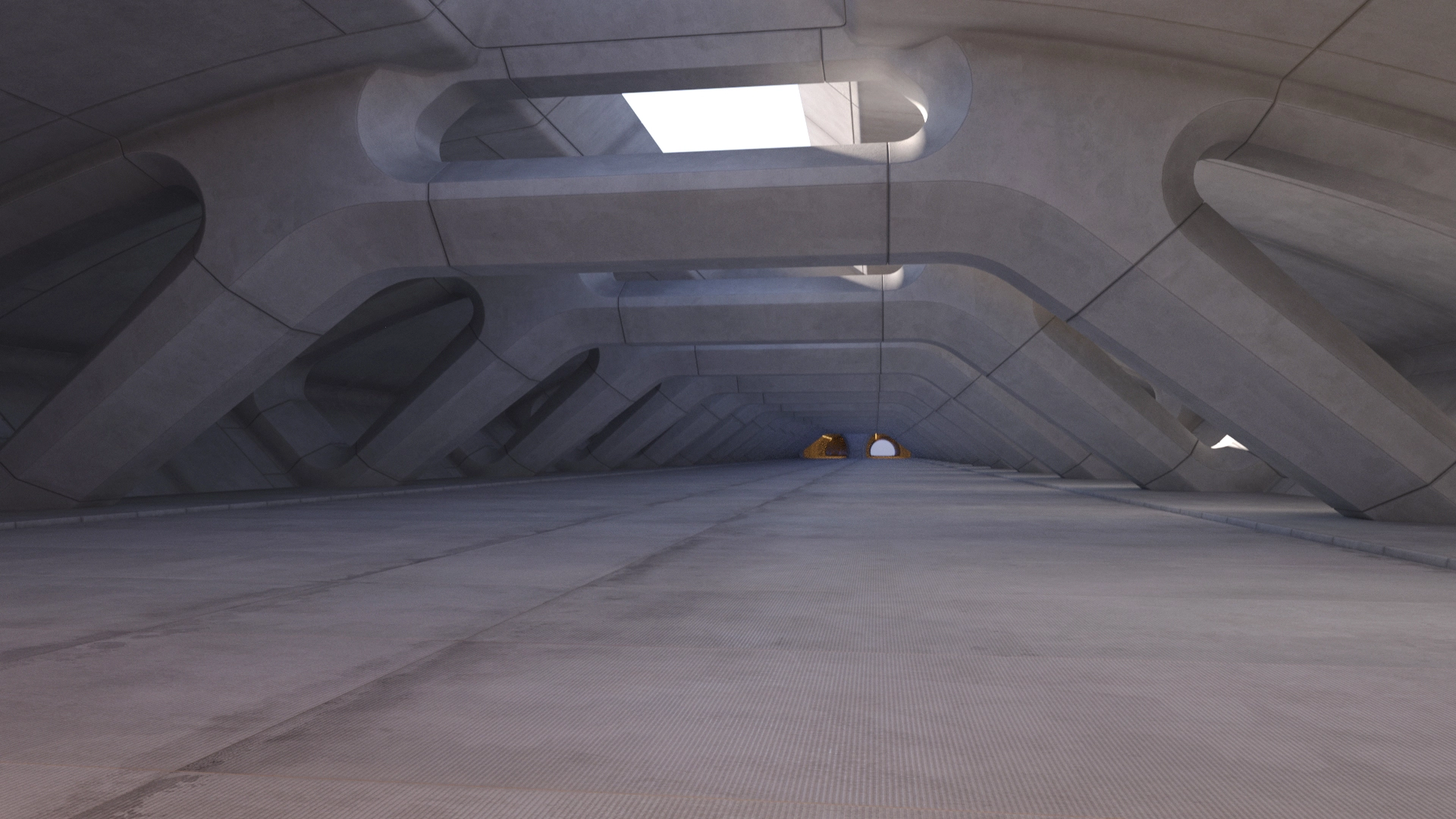
Then comes the basic geometry, together with the lighting, and establishing the main view angles. At this stage, I try to imagine how the scene could be used – like how much space I should leave between the walls so an object (for example, a car) could be placed and rendered from different points of view. Texturing is the final part of my workflow. The goal here is to strengthen and emphasize what geometry and lighting alone aren’t enough to achieve.
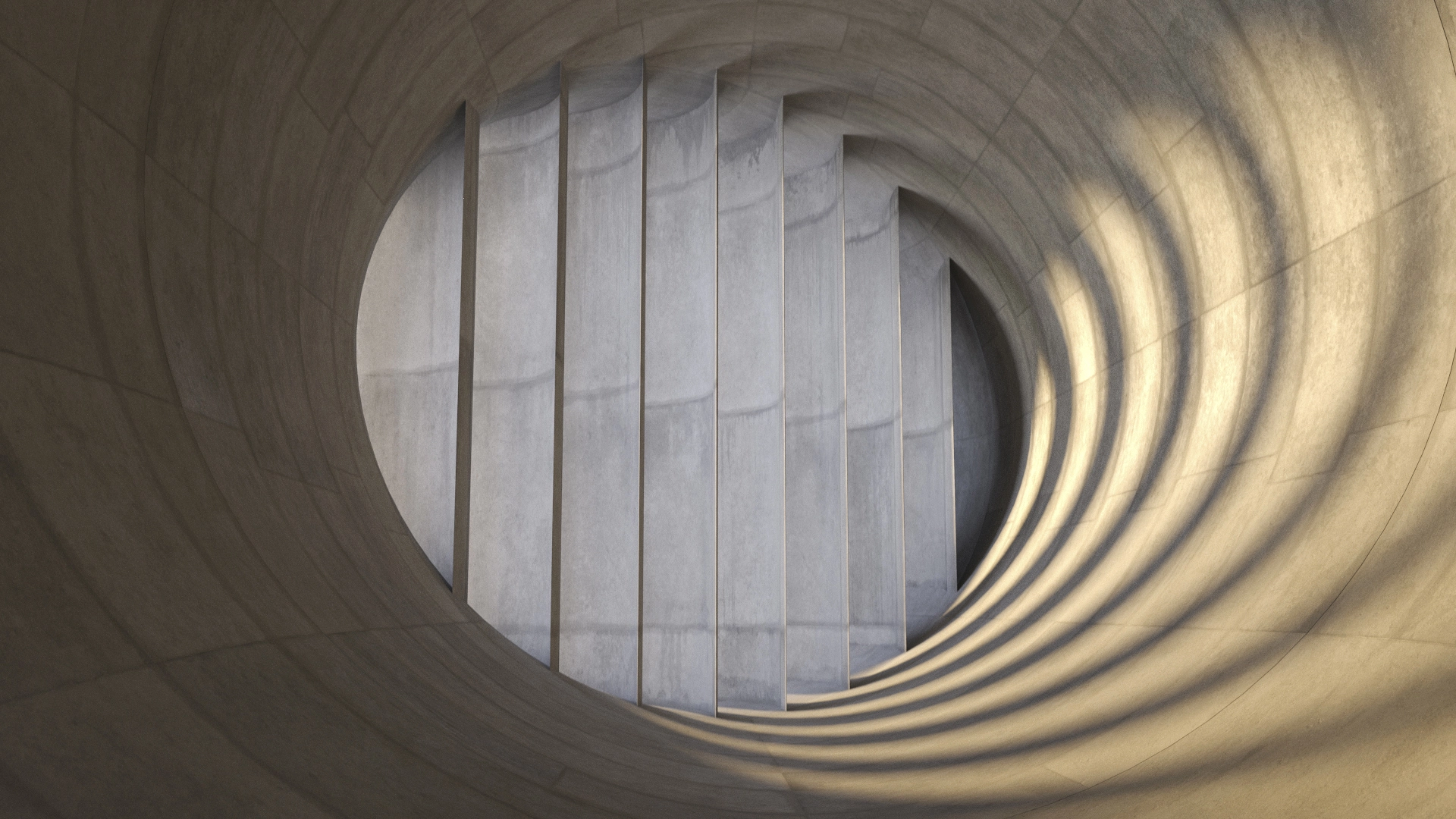
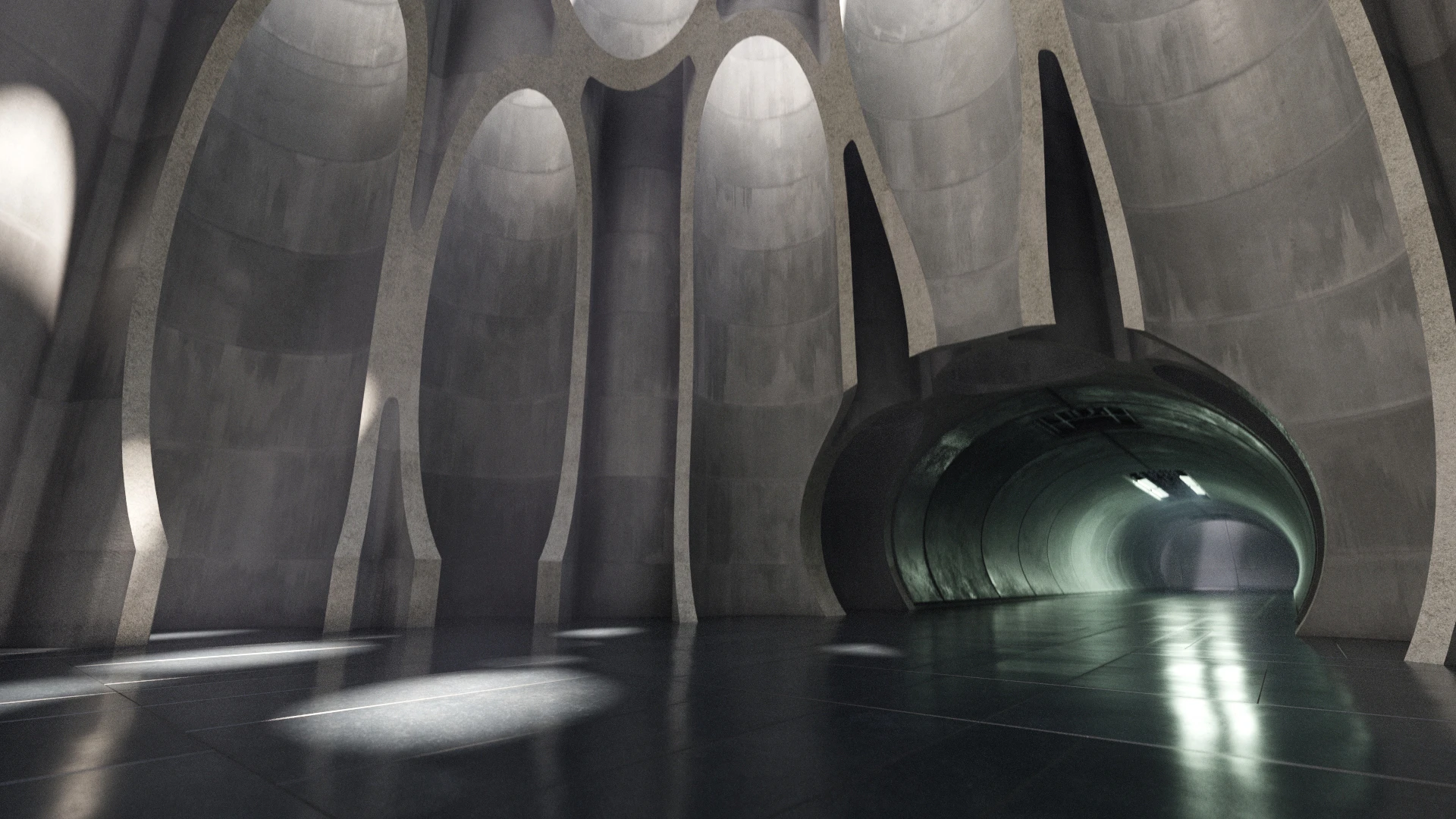
Project: Tunnel
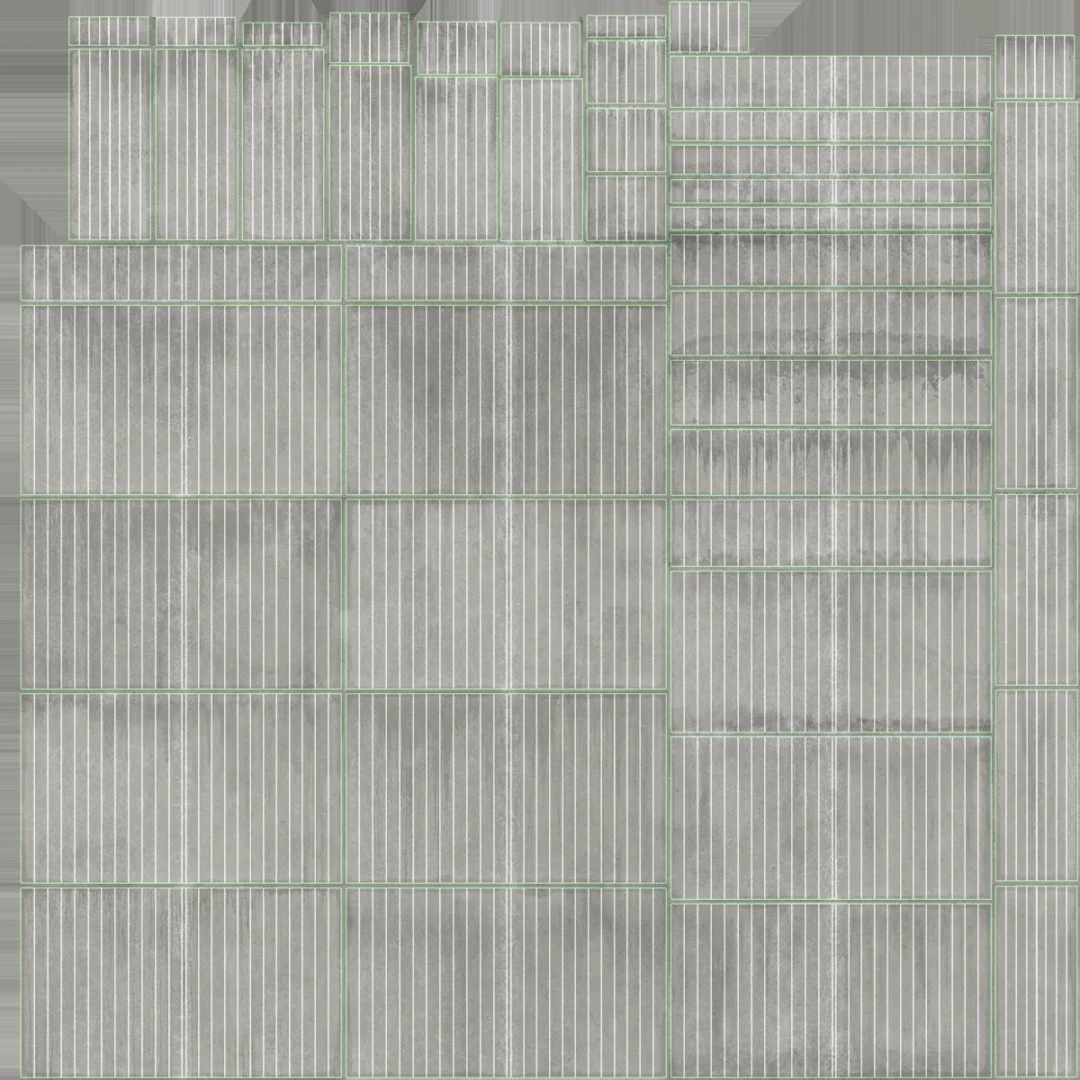
UV Mapping & RizomUV
UV mapping is often treated as a technical necessity rather than a creative step. From your perspective, how much does UV quality influence the final look of an asset? How does RizomUV fit into your workflow, and at what stage do you usually rely on it the most?
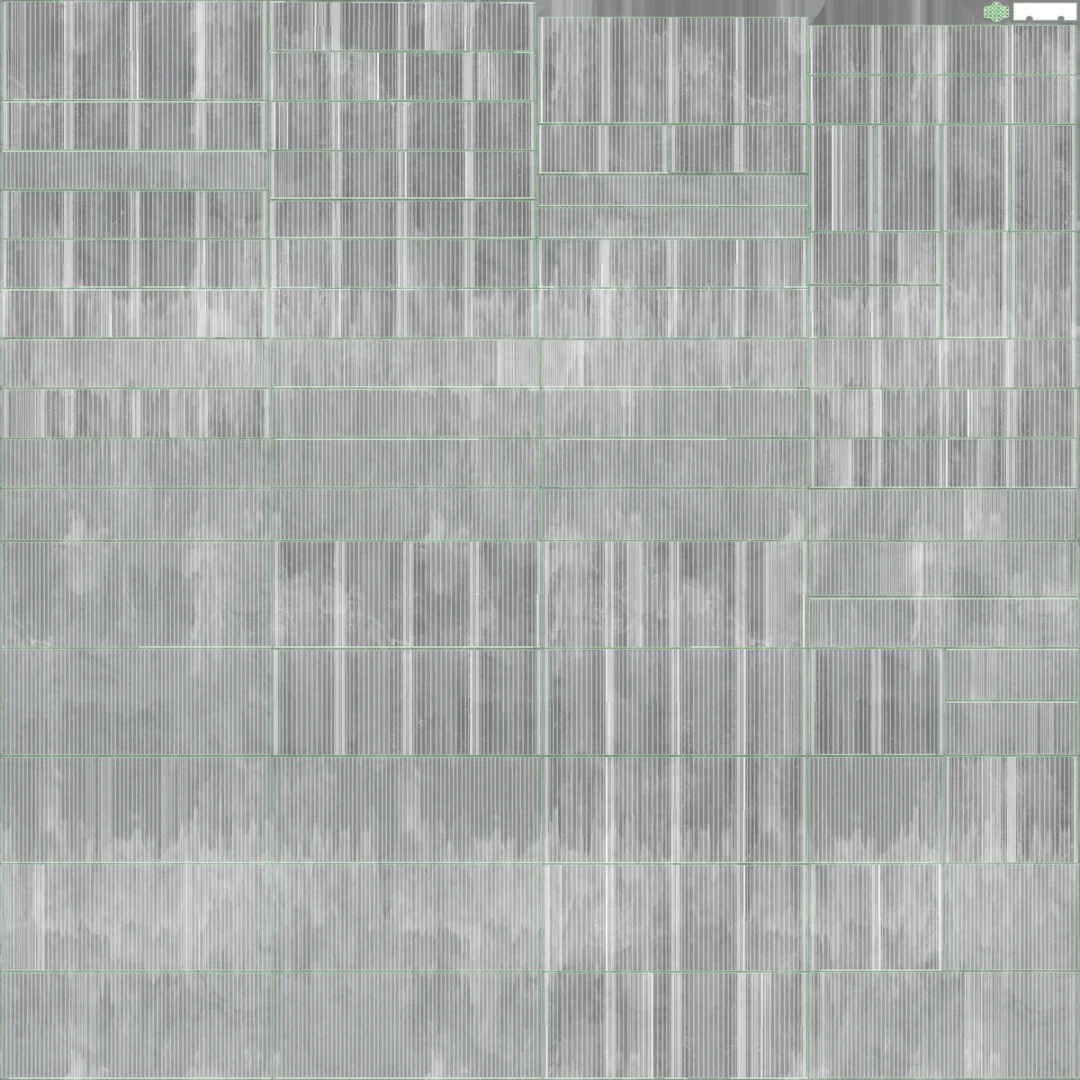
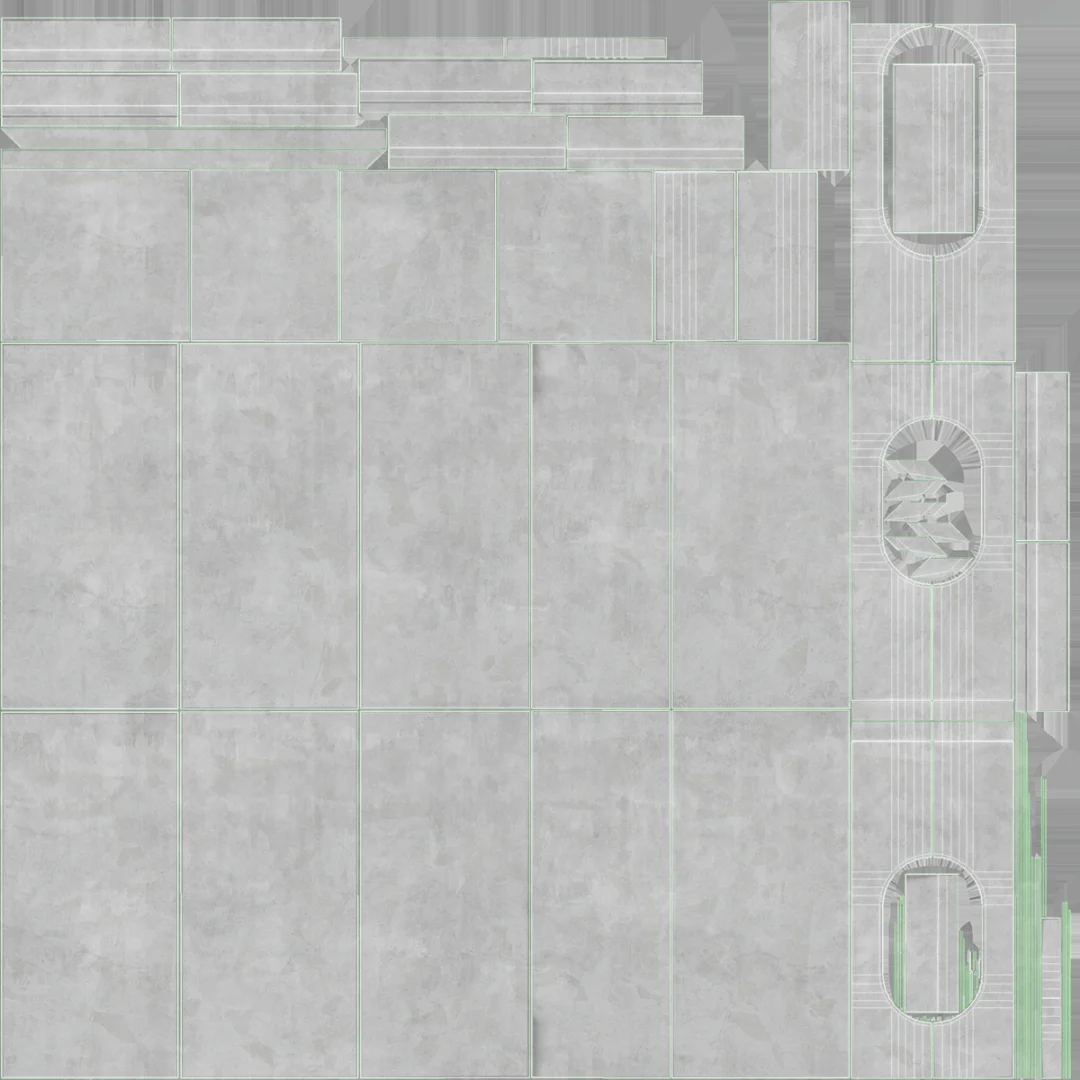
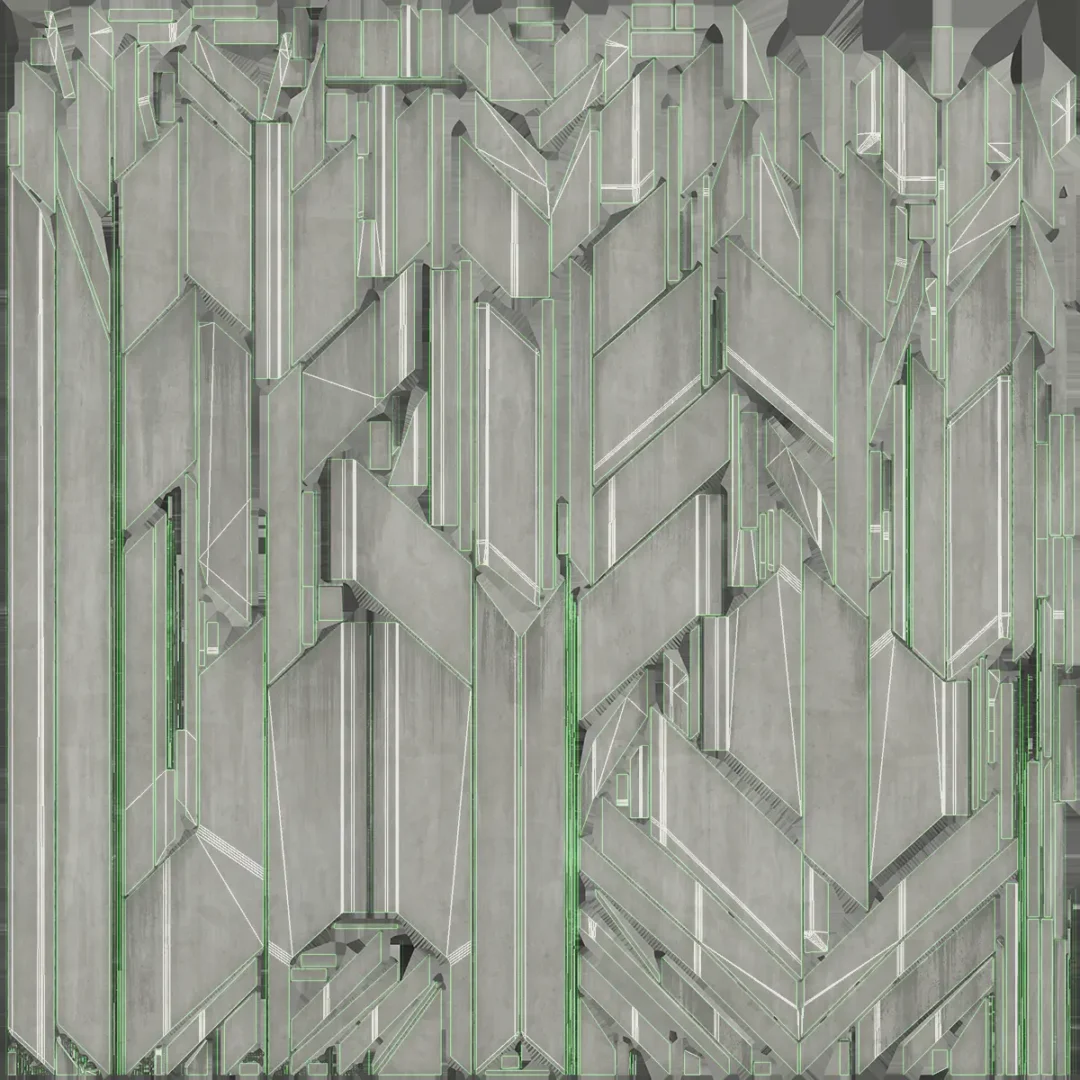
I’ve been using built-in UV tools for a long time. And you’re right – I treated it as a necessity that just had to be done. As my models became more complex, I could easily spend a whole day on unwrapping. I even thought of hiring somebody to do this job for me. But then I asked a colleague who worked in game dev how they handled the unwrapping process, and he advised me to try RizomUV. And it was night and day. I watched a 30-minute tutorial video, and right after that I unwrapped a model in about an hour instead of eight.
As for UV quality and the final look of an asset, better UVs mean better texel density, which equals better, sharper textures. Also, if the UV layout makes sense, it’s much easier for me or for someone else who will use the asset to make texture edits, place decals, etc.
A Slightly Deeper Look
Many artists try to speed through UVs as quickly as possible. Do you think rushing this stage can limit the quality or flexibility of an asset later on? With procedural workflows and automation becoming more common, do you see strong UV knowledge as a long term skill, or something that risks being underestimated in the future?
I think you can get away with it in some really simple cases. But with scenes I make it’s a different story. When you make architectural or large-scale environment assets and don’t have unlimited video memory, you have to use the same textures for dozens or even hundreds of times, which again leads to necessity of well-thought-out layout. Most of the assets I make sell in 3D model marketplace, so I never know how exactly a model will be used and how much more models and textures will be added to the scene.
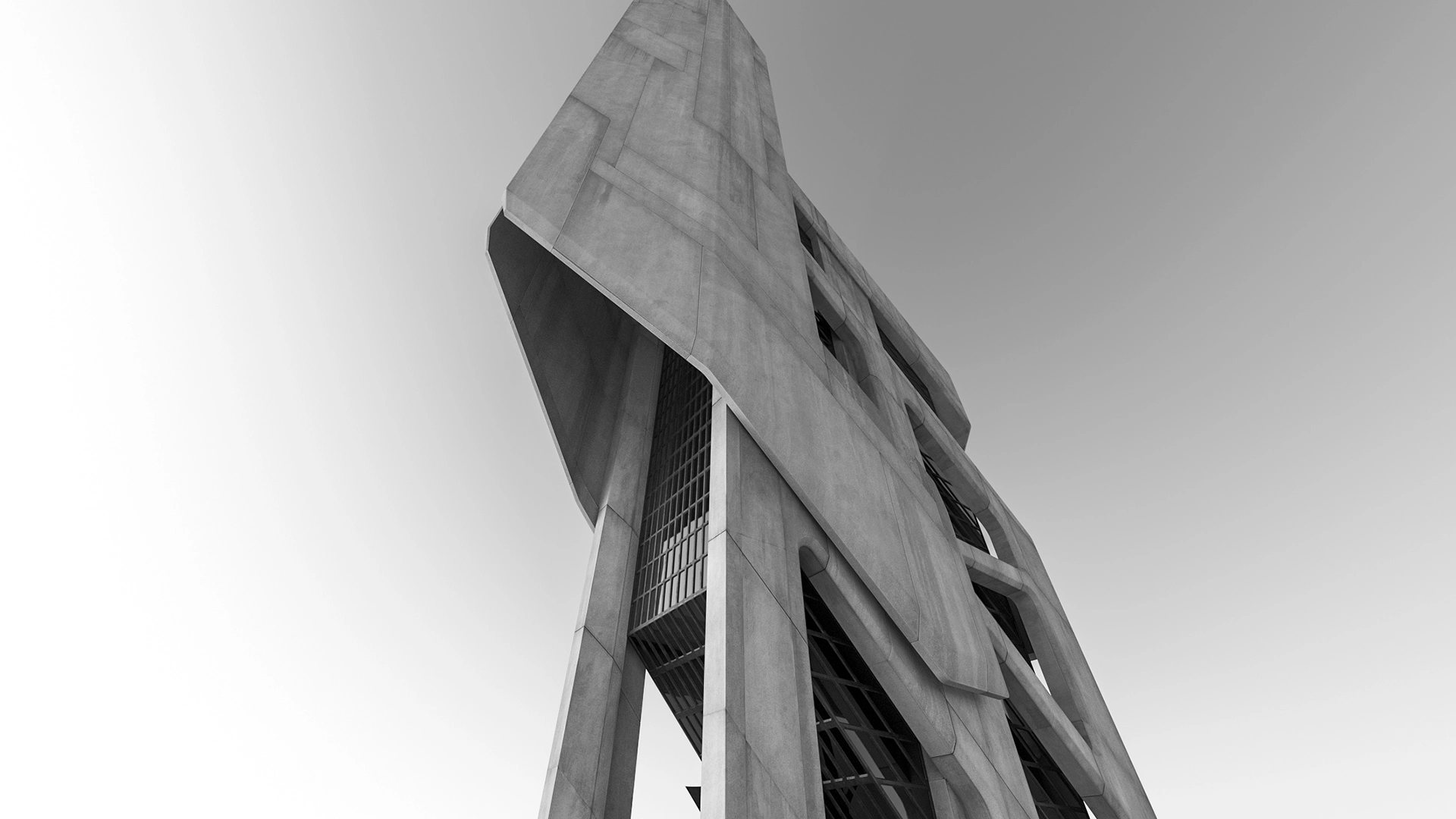
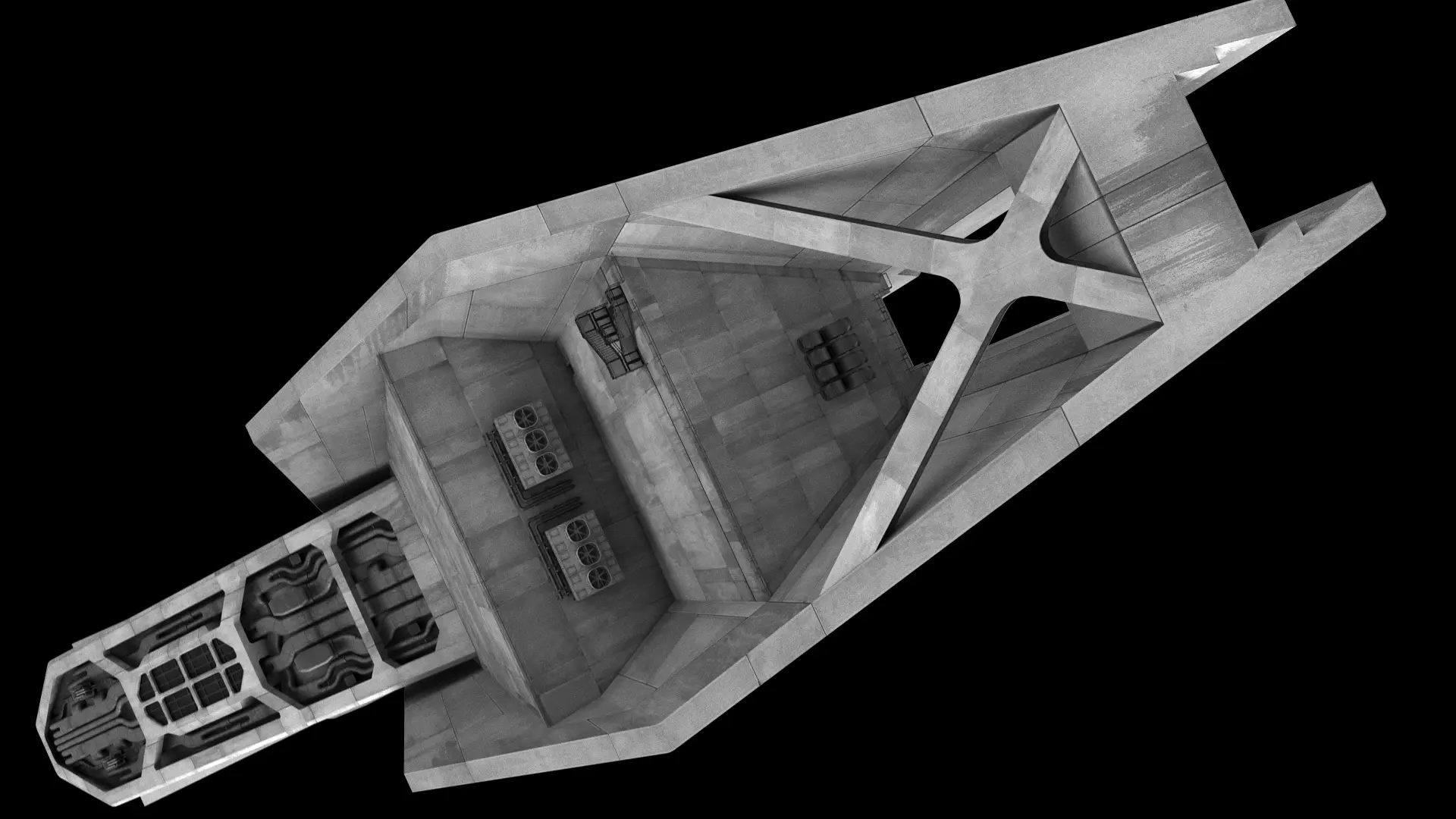
Production & Industry Perspective
You’ve experienced both personal projects and production oriented work. What differences stand out most in terms of expectations, constraints, and creative decision making?
The main difference in expectations for me has always been the unpredictability of how my asset will look in different software. Now that PBR materials have become standard, it’s more or less consistent. As for constraints, I think these days 3D artists have not much to complain about, compared to the times when graphics cards had 1 GB of memory and the textures for your whole scene should fit in.
Advice & Learning
What advice would you give to artists who want to reach a professional level in environment art and asset creation? Are there things you wish you had understood or focused on earlier in your career?
Some time ago I had an opportunity to work for a company creating assets for a real-time game engine (flight simulator). I wish it happened earlier because I learned quite a lot there about efficient use of limited resources and overall optimisation.
Looking Ahead
What excites you most right now in terms of tools, workflows, or artistic directions?
I’m excited about the fact that the tools are getting better and better. Unwrapping and texturing have changed so much compared to what we had 10 years ago. So I’m pretty optimistic about that.